
There’s a moment in almost every treatment room where someone hears the words “Liver Qi stagnation” and their brain quietly spirals into,
wait… is something wrong with my liver?
Let’s settle that right away.
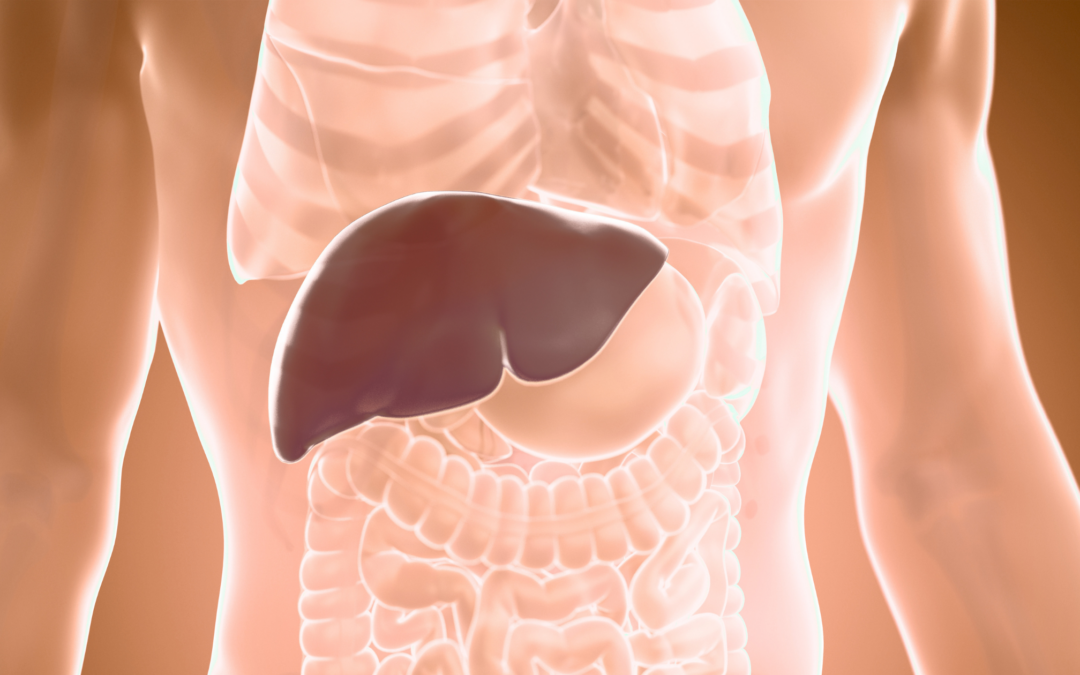
In Traditional Chinese Medicine, the Liver is not the same thing as your Western, blood filtering liver. We’re talking about a system of movement, regulation, and flow in the body. A set of functions. A network.
So no, this does not automatically mean liver disease, fatty liver, or anything scary like that.
You can have completely normal bloodwork and still have what we call Liver Qi stagnation.
And honestly… a lot of people do.
So What Is Liver Qi Supposed to Do?
Think of the Liver in TCM as the part of you that keeps things moving smoothly.
Not aggressively. Not forcefully. Just… flowing.
It helps regulate:
- the movement of Qi (energy) throughout the body
- the smooth flow of emotions
- the coordination between different organ systems
- the opening and closing of pathways (including things like urination, menstruation, digestion)
When it’s working well, things feel steady. Flexible. You adapt to stress without it sticking.
When it’s not… things start to feel stuck.
What Does “Stagnation” Feel Like?
Not dramatic. Not always obvious.
Just enough to make you feel like something isn’t quite right.
That can look like:
- breast tenderness, especially before your period
- PMS that feels more like irritability or pressure than sadness
- bloating that comes and goes
- that tight, “I need to take a deep breath” feeling in your ribs
- tension in your neck and shoulders that never fully lets go
- a bladder that feels hesitant or constrained
- hip or knee discomfort that doesn’t quite match an injury
It’s not random.
It’s pathways.
Why It Shows Up in So Many Different Places
The Liver meridian travels from the foot, up the inner leg, through the knee and hip, into the lower abdomen, and up into the ribcage and chest.
Which means when things aren’t moving well along that pathway…
You might feel it in your:
- knees
- inner thighs
- hips
- lower abdomen
- bladder
- ribs
- breasts
Suddenly it doesn’t feel so random anymore.
That breast tenderness before your period?
That deep hip ache that shows up when you’re stressed?
That weird sense of fullness in your lower body?
Same system.
Different expressions.
Why Stress Makes It Worse (But It’s Not Just Stress)
You’ll often hear that Liver Qi stagnation is related to stress.
That’s true… but it’s a bit incomplete.
It’s not just big, dramatic stress.
It’s:
- holding things in
- pushing through when you actually need rest
- not eating regularly
- running on coffee and adrenaline
- not moving your body in a way that opens your ribcage and breath
- constantly adapting without ever discharging anything
Over time, your body stops moving things as smoothly as it used to.
Not broken. Just… backed up.
The Important Part Most People Miss
This pattern is incredibly common.
It doesn’t mean something is wrong with you.
It means your body is responding exactly the way bodies do when flow gets disrupted.
And the beauty of this system is that it gives us a way to work with that.
To gently restore movement instead of forcing fixes.
What Actually Helps (In Real Life, Not Theory)
This isn’t about doing everything perfectly.
It’s about creating a little more space for things to move again.
Sometimes that looks like:
- taking a real, full breath instead of a shallow one
- stretching your sides and ribcage open, even for a minute
- eating something warm instead of skipping meals
- letting yourself feel irritated without immediately shutting it down
- going for a walk after a long, stagnant day
- booking an acupuncture treatment and letting someone else help move things for you
Small shifts.
But they add up.
Why Acupuncturists Talk About This So Much
Because once you start seeing it, you see it everywhere.
Not as a diagnosis to label people with.
But as a pattern that explains why symptoms that seem unrelated… actually aren’t.
And more importantly, how to help them.
Gently. Practically. Without making your body the problem.
If you’ve ever been told you have Liver Qi stagnation, this is your reminder:
It’s not a disease.
It’s a description of movement.
And movement is something we can work with.