If you’ve ever had an acupuncture treatment and heard something like “your Liver is stagnant” or “your Spleen is weak,” you might have felt a little alarmed.
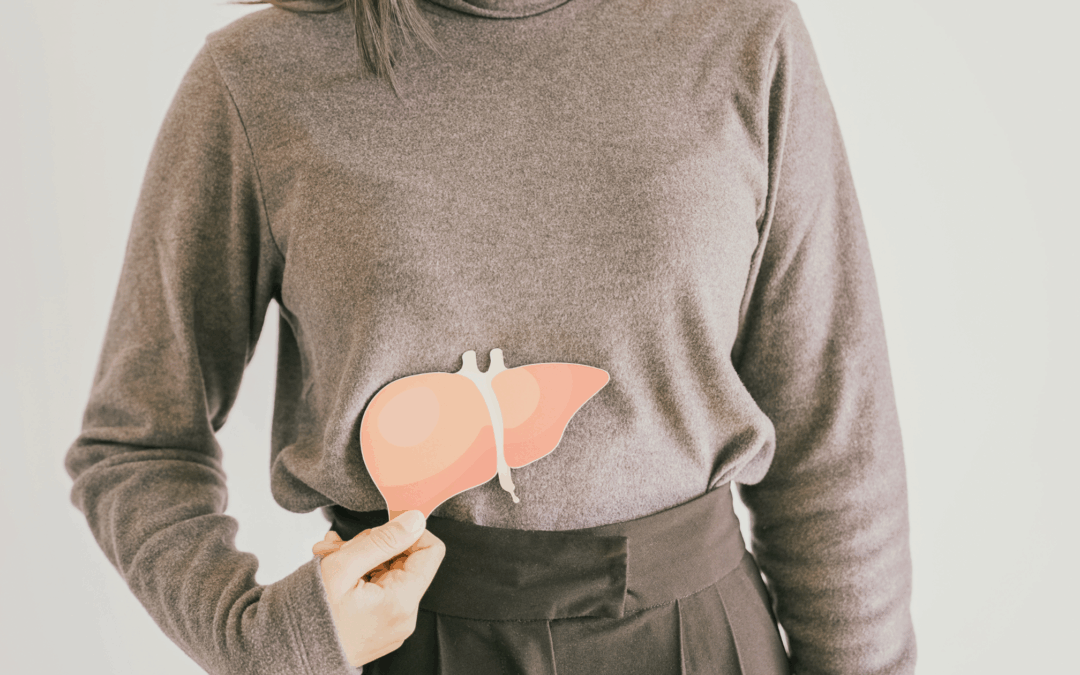
Does this mean something’s wrong with your actual liver or spleen — the physical organs your doctor checks on a blood test?
Not at all.
In Traditional Chinese Medicine (TCM), when we talk about the Liver, Spleen, Heart, Lung, or Kidney, we’re talking about something much bigger than anatomy. Each organ has both a physical function and an energetic one — a web of relationships that includes emotions, digestion, sleep, hormones, and even how you respond to stress.
Think of each organ system like a department in your body’s government. The Western liver might handle detox and metabolism, but the TCM Liver is also in charge of smooth flow — of Qi, blood, and emotions. When it’s “stagnant,” it means things aren’t moving as freely as they should. You might feel it as irritability, PMS, tight shoulders, or a lump in your throat when you’re upset. None of that means your physical liver is damaged — it means your body’s emotional and energetic rhythms are getting jammed up.
Each organ has its own personality like that.
The Spleen likes warmth and regular meals. The Heart holds your spirit and sense of joy. The Lungs help you let go — of grief, of tension, of what’s no longer needed. The Kidneys are your roots, storing the deep reserves that keep you steady through stress and change.
When acupuncturists talk about these systems, we’re using a language that’s been around for thousands of years — one that maps function and relationship, not just structure. It’s how we understand why your digestion, mood, and sleep can all shift together, or why grief can dry your skin, or why stress shows up in your cycle.
So no — your Liver isn’t broken. It’s just asking for a smoother flow. And that’s exactly what acupuncture and lifestyle guidance are designed to help restore.
When you understand the body this way, symptoms start to make sense. Instead of chasing them one by one, we can follow the threads back to the pattern underneath — and that’s where real balance happens.
A Gentle Note: I’m a student of Traditional Chinese Medicine, and this space reflects my learning as it unfolds. TCM is deep, layered, and complex, and I’m still finding my footing within it. I will refine my understanding over time. I will make mistakes. That’s part of doing this honestly. What I share here is my current perspective, shaped by my teachers, clinical training, lived experience, and my own biases. It’s not absolute, it’s evolving. I welcome thoughtful conversation, shared insight, and respectful correction along the way. I humbly welcome your insight. Let’s learn together. You can always find me over on Instagram to keep the conversation going.