When people first hear about Traditional Chinese Medicine (TCM), they often imagine needles, herbs, or mysterious energy lines. It can sound a bit foreign until you experience it, and then suddenly, it all starts to make sense.
TCM isn’t about quick fixes or symptom suppression, it’s about balance. Every ache, mood shift, or sleep issue has a story behind it, and that story is unique to you. Instead of isolating a single problem, we look at your whole system, how you eat, sleep, move, bleed, rest, think, and relate to the world around you.
In this view, your body isn’t separate from nature. The same forces that shift the tides and turn the seasons also move through you. Your organs, fluids, and emotions are constantly dancing together, adjusting to stress, hormones, weather, and life’s rhythms.
Qi, Blood, Yin, and Yang — the basics
You’ll hear words like Qi (pronounced “chee”), Blood, Yin, and Yang a lot in TCM. These aren’t mysterious substances, they’re ways of describing how your body’s vital forces function.
- Qi is your life force. It’s what moves your blood, fuels your digestion, and keeps your mind clear. When Qi is blocked or weak, you might feel tired, tense, or “off.”
- Blood is the nourishing, grounding aspect of your body. It supports hormones, sleep, mood, and fertility.
- Yin and Yang describe the balance of opposites, rest and activity, coolness and warmth, stillness and motion. You need both. Too much of one and not enough of the other creates imbalance, which can show up as anything from anxiety to PMS to hot flashes.
When you come for treatment, we look for where things are out of harmony. Are you too depleted? Too tense? Too hot or cold? Is something not moving the way it should? The goal isn’t to chase a diagnosis, but to bring your system back into smooth rhythm.
What a TCM treatment is like
Your first visit is all about understanding your body’s story. We’ll talk through your symptoms, but also your sleep, digestion, cycle, emotions, and even how you handle stress. I’ll look at your tongue, feel your pulse, and listen for the patterns underneath it all.
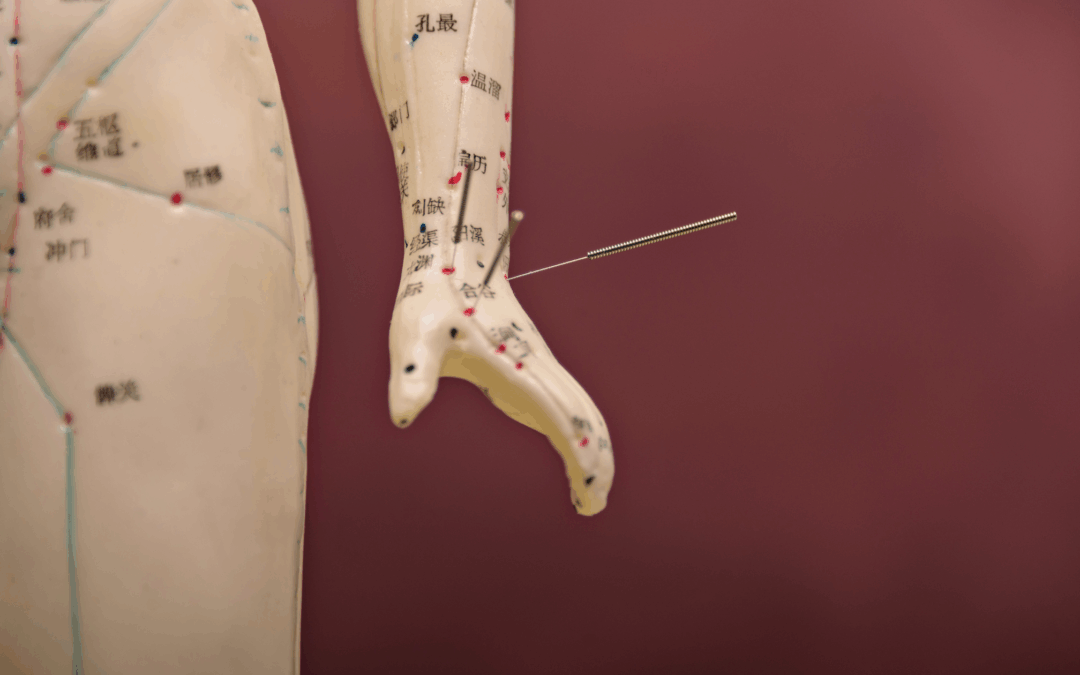
From there, your treatment might include acupuncture, cupping, gua sha, acupressure massage, moxibustion (a gentle warming technique), or simple lifestyle and food suggestions to support your balance at home.
It’s a deeply relaxing process, most people leave feeling grounded, a little lighter, and more connected to themselves than when they arrived.
Why it works best over time
Just like nature doesn’t change overnight, neither does your body. TCM builds momentum with consistency. Each treatment gently guides your system toward balance, helping your body remember how to regulate itself. Many patients notice subtle shifts at first, better sleep, calmer moods, smoother digestion, that deepen with ongoing care.
A medicine for modern life
Even though it’s thousands of years old, TCM feels surprisingly modern. It reminds us that we’re not broken, just out of rhythm. It helps us slow down, reconnect, and heal from a place of deep respect for the body’s wisdom.
If you’re curious what your pattern might be or how acupuncture could help you, I invite you to join my waitlist for my student clinic in Bedford, Nova Scotia, or my future clinic opening in Carleton County, New Brunswick. It’s a beautiful way to experience what “balance” really feels like.

A Gentle Note: I’m a student of Traditional Chinese Medicine, and this space reflects my learning as it unfolds. TCM is deep, layered, and complex, and I’m still finding my footing within it. I will refine my understanding over time. I will make mistakes. That’s part of doing this honestly. What I share here is my current perspective, shaped by my teachers, clinical training, lived experience, and my own biases. It’s not absolute, it’s evolving. I welcome thoughtful conversation, shared insight, and respectful correction along the way. I humbly welcome your insight. Let’s learn together. You can always find me over on Instagram to keep the conversation going.