Traditional Chinese Medicine doesn’t ask you to live perfectly, it asks you to live in rhythm.
It’s about noticing what’s happening in your body, what season you’re in, and what your energy is asking for. You don’t need a cabinet full of herbs or hours of meditation each day to live in harmony with TCM. You just need to start paying attention and making small, intentional shifts.
Here are some simple “if this, then that” ways to bring the wisdom of Chinese medicine into your everyday life.
If you’re tired all the time, then nourish your Spleen Qi
Eat warm, cooked meals instead of cold smoothies and raw salads.
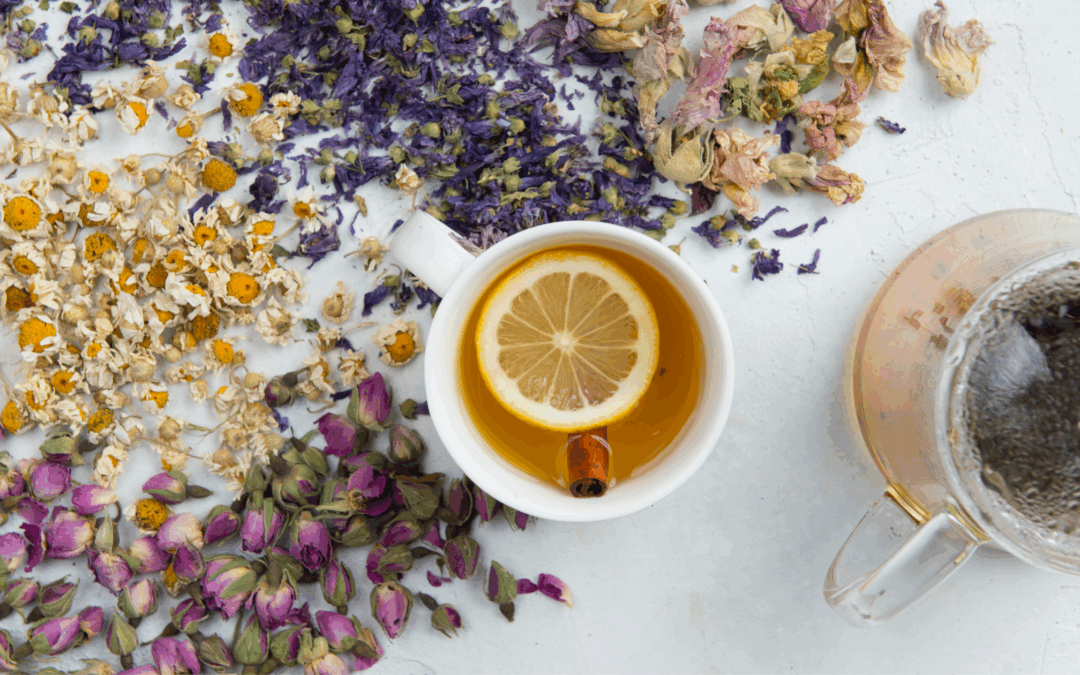
Skip the ice water and drink warm tea instead.
Don’t multitask while eating, and take real breaks during your day.
Spleen Qi thrives on regularity and warmth. Think soups, stews, porridge, and slow mornings when you can manage them.
If you crave sugar or carbs, then support your Earth element
Spleen and Stomach are our Earth Element organs. Your Spleen and Stomach crave stability. When they’re out of balance, you reach for sweets or quick energy.
Add cooked root vegetables, squash, and naturally sweet foods like dates or apples instead of refined sugar.
Eat meals at consistent times and stop skipping breakfast.
If you feel anxious or can’t stop overthinking, then anchor your Heart and calm the Shen
Start your mornings quietly before checking your phone.
Eat something warm with protein instead of caffeine alone.
Try daily rituals that invite stillness: journaling, slow breathing, or short walks without distractions.
Even sitting by a window with your tea counts. The Heart loves calm and connection, not overstimulation.
If you’re irritable, bloated, or your cycle feels unpredictable, then move your Liver Qi
Get outside and move your body gently, especially when you feel tense or stuck.
Avoid eating in a rush or holding in emotions to “keep the peace.”
Eat foods that help Qi move freely, like cooked greens, lemon in warm water, and small amounts of ginger.
Don’t over-restrict your food; your Liver needs flow, not control.
If you can’t fall asleep, then settle your Yang and nourish Yin
Go to bed before 11 when the body’s Yin begins to take over.
Dim lights an hour before bed, and avoid screens in that window.
If your mind races, try a handful of walnuts or a small cup of warm milk with cinnamon.
Acupressure on the inner wrist or a warm foot soak can also help calm your spirit.
If you feel cold all the time, then warm your Yang
Use spices like ginger, cinnamon, and clove in your meals.
Don’t walk barefoot on cold floors.
Avoid too much raw food or iced drinks, even in summer.
Dress for the weather instead of for fashion, and protect your low back and neck from wind exposure.
If you feel hot, restless, or inflamed, then cool excess Heat
Choose lighter foods like cucumber, melon, and mint tea.
Avoid alcohol, fried foods, and excess red meat for a few days.
Take quiet moments to cool your emotions too, not just your body.
Gentle stretching or breathing helps release internal heat as much as the right foods do.
If your digestion is sluggish or you feel gassy, then simplify your meals
Stop grazing all day and allow time between meals for digestion.
Avoid eating late at night or while distracted.
Try lightly cooked vegetables, well-seasoned meats, and small portions of fermented foods.
The gut in TCM needs warmth, consistency, and kindness.
If you keep getting sick, then build your Wei Qi (defensive Qi)
Eat nourishing soups with mushrooms, garlic, and onions.
Rest properly after long days instead of pushing through.
Spend time outdoors in gentle fresh air, but stay covered from cold wind.
If you feel the start of a sore throat, sip warm ginger and scallion tea early instead of waiting for it to worsen.
If you feel disconnected or uninspired, then return to the seasons
In spring, focus on fresh starts and movement.
In summer, enjoy social warmth and play.
In late summer, ground yourself in simple routines.
In autumn, release what you don’t need.
In winter, rest deeply and rebuild.
When you live with the seasons, your body begins to remember what balance feels like.
Living TCM Without Perfection
You don’t need to memorize theories or eat perfectly to live this way. TCM is about rhythm, attention, and kindness toward yourself.
Notice your patterns. Add warmth when you’re cold, rest when you’re depleted, and move when you feel stuck.
The more you practice tuning in, the easier it becomes to live in harmony with your own energy.
A Gentle Note: I’m a student of Traditional Chinese Medicine, and this space reflects my learning as it unfolds. TCM is deep, layered, and complex, and I’m still finding my footing within it. I will refine my understanding over time. I will make mistakes. That’s part of doing this honestly. What I share here is my current perspective, shaped by my teachers, clinical training, lived experience, and my own biases. It’s not absolute, it’s evolving. I welcome thoughtful conversation, shared insight, and respectful correction along the way. I humbly welcome your insight. Let’s learn together. You can always find me over on Instagram to keep the conversation going.