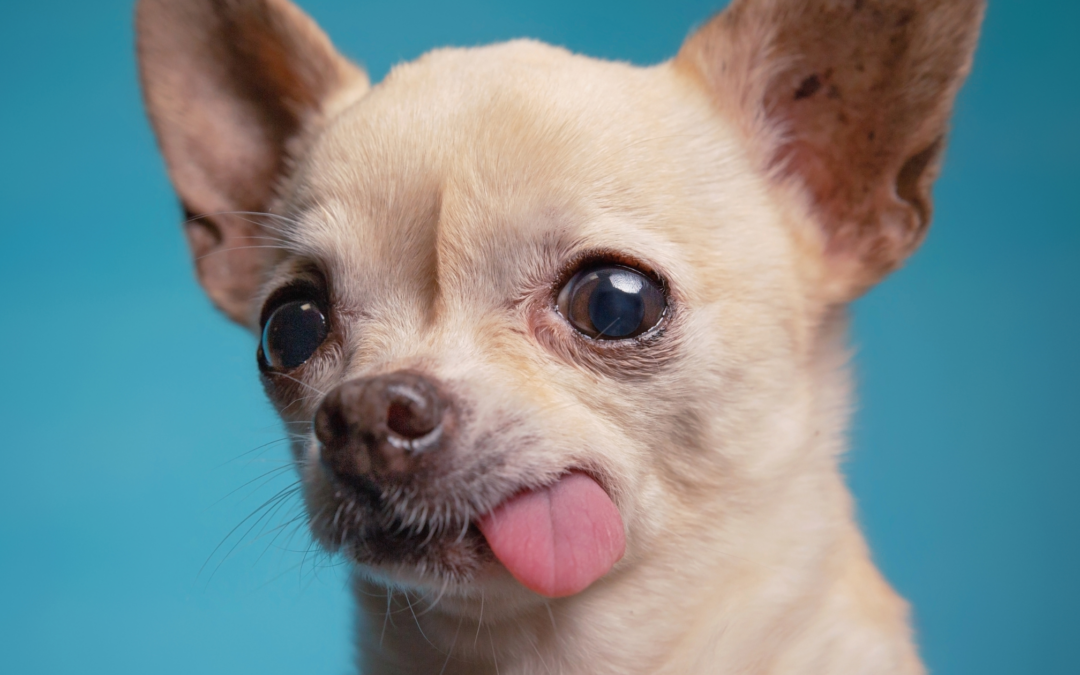
Traditional Chinese Medicine can absolutely be applied to our animals. And not in a trendy, throw-some-herbs-in-their-bowl kind of way. This medicine was used on animals long before most of us were even thinking about nervous systems and gut health.
Huangdi Neijing
Ancient Chinese medicine texts include detailed discussions of veterinary care, especially for horses. Military horses were vital. Their strength, endurance, digestion, and recovery mattered. So channel theory, point selection, and herbal strategies were applied to animals centuries ago.
This isn’t new.
It’s just new to us.
Today it’s called TCVM, Traditional Chinese Veterinary Medicine, and it’s practiced by licensed veterinarians who’ve completed additional acupuncture and herbal training.
And honestly, when you understand TCM properly, it makes complete sense.
Animals have Qi.
They circulate Blood.
They have organ systems that function energetically as well as physically.
They get Liver Qi stagnation.
They get Dampness.
They decline in Kidney Yang as they age.
If you’ve ever watched your dog tremble during a thunderstorm, you’ve seen Shen disturbance.
If you’ve noticed your older farm dog stiffen in cold, wet weather, you’ve witnessed Kidney Yang deficiency.
If you’ve met the sweet golden retriever who is itchy, reactive, and anxious all at once? That’s often Liver plus Wind plus Damp Heat.
It’s the same medicine.
Different species.
And here’s something I love: animals don’t overthink their healing.
They don’t lie on the table wondering if it’s working.
They don’t push through burnout because “the house still needs to run.”
They don’t ignore symptoms for ten years.
They live much closer to rhythm.
They eat when they’re hungry.
They rest when they’re tired.
They withdraw when something feels unsafe.
Which means when they’re out of balance, it’s often clearer.
What Can Veterinary Acupuncture Help With?
TCVM is commonly used for:
• Arthritis and mobility issues
• IVDD and spinal concerns
• Digestive upset
• Skin conditions and chronic itch
• Anxiety and reactivity
• Post-surgical recovery
• Geriatric support
And just like in humans, it often works beautifully alongside conventional veterinary care.
It’s not either-or.
It’s both.
Warmth. Circulation. Nervous system regulation. Supporting the root while managing the branch.
Is It Safe?
This part matters.
In Canada, acupuncture on animals must be performed by a licensed veterinarian with proper training in veterinary acupuncture. Human acupuncturists are not permitted to needle animals unless they are also licensed vets.
So if you’re curious, you’re looking for a vet trained in TCVM.
Not your friend with a weekend course.
And can I say something quietly honest?
The women who are drawn to this kind of care for their animals are usually the same women who are ignoring their own symptoms.
You’ll book acupuncture for your aging shepherd before you book it for your own migraines.
You’ll research warming foods for your senior dog in winter while living on coffee and adrenaline yourself.
I see you.
Caring for animals with TCM principles is beautiful. It’s thoughtful. It’s rooted in rhythm and relationship.
But if you’re nodding along to all of this, noticing Kidney Yang and Dampness and Shen, there’s a good chance your body is whispering too.
Maybe this is your sign to listen.
Not just to the dog at your feet.
But to yourself.
If you’re in rural New Brunswick and curious about this approach for your pet, I can help you understand the theory and what to look for in a TCVM trained veterinarian. There are a handful of veterinarians in New Brunswick who offer acupuncture for pets.
And if reading this made you realize you’ve been carrying more than you admit?
My treatment table is warm.
And you don’t have to wait until something breaks.
A Gentle Note: I’m a student of Traditional Chinese Medicine, and this space reflects my learning as it unfolds. TCM is deep, layered, and complex, and I’m still finding my footing within it. I will refine my understanding over time. I will make mistakes. That’s part of doing this honestly. What I share here is my current perspective, shaped by my teachers, clinical training, lived experience, and my own biases. It’s not absolute, it’s evolving. I welcome thoughtful conversation, shared insight, and respectful correction along the way. I humbly welcome your insight. Let’s learn together. You can always find me over on Instagram to keep the conversation going.