Disclaimer: This article is intended for general informational and educational purposes only. It does not advertise, promote, or encourage placenta consumption, and should not be interpreted as medical advice or a substitute for professional care.
Placenta encapsulation tends to stir curiosity, sometimes wonder, sometimes discomfort.
It’s one of those practices that sits at the crossroads between ancient tradition and modern curiosity, and it’s worth understanding with context, care, and clarity.
What It Is
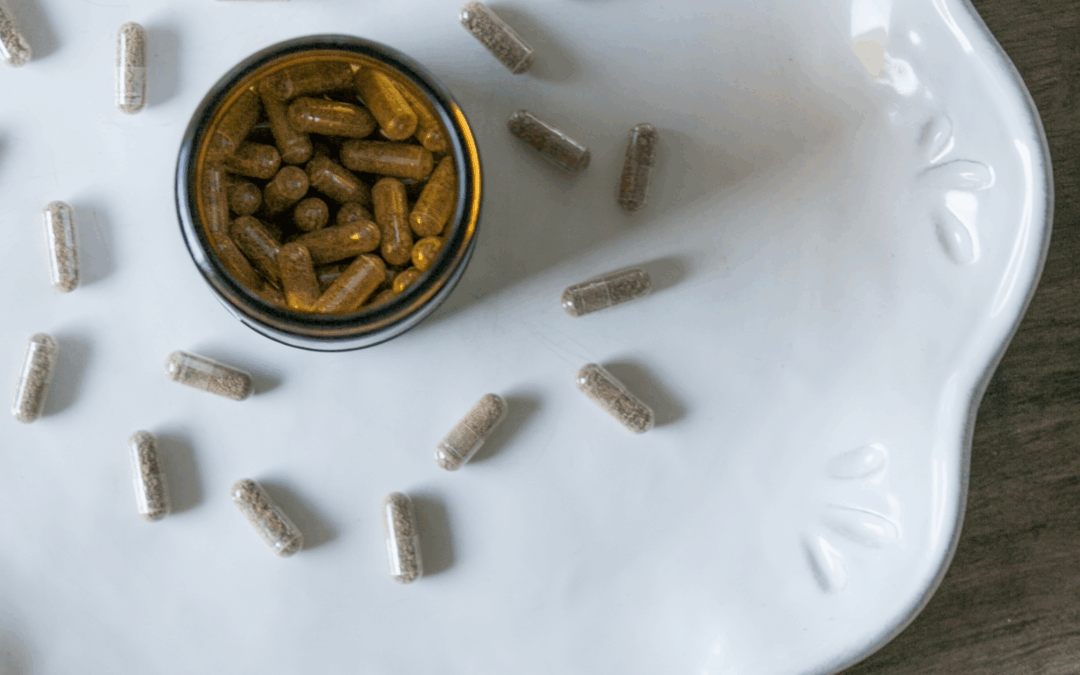
Placenta encapsulation is the process of preparing and dehydrating the placenta after birth so it can be taken in capsule form by the person who birthed it.
This practice has appeared in different forms across cultures, including in aspects of Traditional Chinese Medicine (TCM) and modern holistic postpartum care.
In historical TCM texts, the placenta, called zi he che, is recognized as a potent medicinal substance believed to tonify Blood, Qi, and Jing, the body’s essential energy.
However, it’s important to note that in classical TCM, the placenta was not typically prescribed to the mother who gave birth, but was used as a medicinal ingredient for other therapeutic purposes under the guidance of trained practitioners.
Why Some Parents Explore It
In modern times, some new parents choose to consume their placenta as a personal or symbolic practice. They may believe it supports recovery, mood, and vitality after birth, or they may simply wish to honor what their body created.
Current research on these benefits remains limited and inconclusive, and it’s important for families to make informed, personal decisions.
Preparation and Care
As someone trained in placenta encapsulation, I approach the process with the same care and hygiene standards used in food handling and postpartum support.
Each placenta is prepared only for the person who birthed it, and encapsulation takes place in that individual’s home within days after birth, using sanitized equipment and safety protocols.
This information is shared here purely for transparency and education, not as a service advertisement.
The TCM View of Postpartum Recovery
In TCM, the weeks after birth are considered a crucial time for rebuilding strength and vitality.
Pregnancy and birth consume Blood and Qi, and postpartum care is about restoring warmth, nourishment, and rhythm.
Practices like herbal soups, rest, gentle movement, and community care are traditional ways to support that rebuilding process.
While placenta itself has been noted in the materia medica, the larger message of TCM postpartum care remains simple and universal, nourish deeply, rest intentionally, and allow the body to restore what it has given.
A Balanced Perspective
Whether or not someone chooses placenta encapsulation, the heart of the discussion is the same,
How can we better support women in the weeks after birth?
How can we honor the body’s immense effort and make space for true recovery?
TCM offers one framework among many, reminding us that the fourth trimester is not an afterthought, it’s a sacred season of rebuilding.
🌿
— Lacey Park, Atlantic Women’s Wellness