
What Tuition Doesn’t Cover (But Your Life Will)
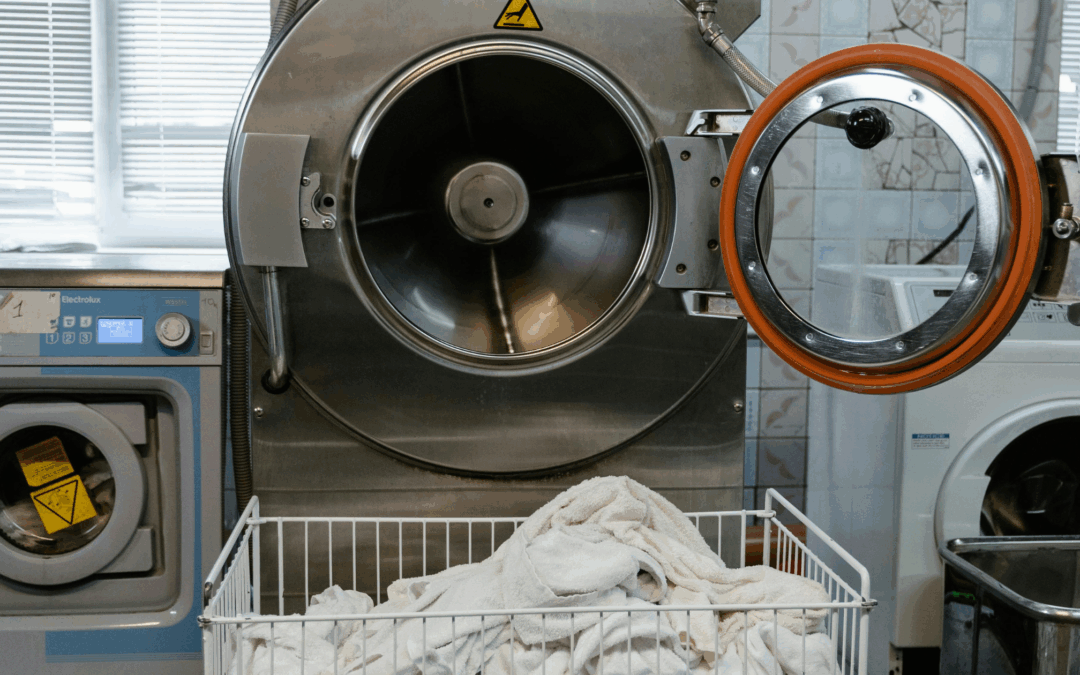
As I sit here between loads of laundry (I’m on load six of eight after my week in class and clinic) I started thinking about all the extra little costs I never really considered before starting acupuncture school.
Not just financial costs, but physical ones too. The time. The lifting. The planning. The quiet stress of keeping everything moving so you can keep showing up prepared.
None of this shows up in the tuition breakdown. All of it shows up in real life.
These are the things I didn’t know to ask about until they were already happening.
Linens: the expense no one prepares you for
Sheets. Towels. Blankets.
All student supplied.
At my school, students provide linens for both class and clinic. On a full day, a single student can need up to five complete linen sets for multiple clinic treatments plus class use.
That reality alone reshapes daily life.
It means:
- Owning a large number of sheet sets
- Enough backups to survive back to back days depending on your schedule
- Storage space at home (which not everyone has)
- Paid locker or storage fees at school
- Laundry bags and heavy duty totes
- Physically hauling heavy linens through rain, snow, and winter wind
If you’re living in a small apartment or temporary housing for school (or with a house full of people where your bedroom is your only storage space), this isn’t a small inconvenience. It becomes a daily logistical challenge.
Laundry costs: the invisible ongoing expense
When schools don’t provide linens, they also don’t provide laundry.
In my case, class and clinic requirements mean six to twelve extra loads of laundry every week. That’s not occasional, it’s constant.
That adds:
- A noticeable increase to electricity and water bills
- Ongoing detergent costs
- Wear and tear on washing machines and dryers
- The low grade stress of knowing that if a machine breaks, everything grinds to a halt
This becomes a housing decision, not just a household chore.
If you’re choosing where to live for school, it’s worth asking:
- Is laundry in unit?
- Is it paid, shared, or off site?
- Would a laundromat or laundry service even be manageable with this volume?
For me, paid laundry or off site washing would be completely unmanageable. And there’s a constant background fear that the machines will die mid semester.
Clinic comfort items: entirely student supplied
At my school, pillows, blankets, bolsters, and table padding are not provided at all.
Students are responsible for bringing:
- Pillows and bolsters
- Blankets
- Table padding (often heated)
- Extra towels
These aren’t upgrades. They’re part of providing a comfortable, professional treatment environment… and the cost, storage, and transport all sit with the student.
Clinical supplies you may be expected to purchase
(and store, and carry)
Depending on the program, students may need to supply:
- Needles
- Fire cups
- Gua sha tools and oil
- Massage oil
- Alcohol
- Cotton balls
- Hand sanitizer
- Gloves
- Masks
- Moxa sticks
What’s rarely mentioned is that these supplies don’t just cost money, they take up space and require transport.
A full set of fire cups can nearly fill a standard locker on its own. They’re bulky. They’re heavy. And once you add oils, tools, and consumables, storage becomes a real constraint.
Questions worth asking:
- Is there enough on site storage for larger items like cups?
- Is storage included or rented separately?
- Will you be carrying these supplies back and forth multiple times a week?
For many students, this means regularly lugging heavy bins alongside linens, blankets, and equipment, down the street, up flights of stairs, in all weather.
This isn’t just a budget consideration. It’s a physical one.
Storage costs exist in two places
Storage becomes an issue both at school and at home.
At school:
- Locker or storage rental fees
- Limited shared storage
- Storage bin requirements
At home:
- Shelving or cabinets
- Large bins for awkward equipment
- Space you may not have if you’re living small or temporarily relocated
This is rarely mentioned and very real.
Parking logistics matter more than you think
Ask:
- Is there on site parking?
- Is it paid?
- How far is it from the clinic entrance?
Carrying needles, cups, oils, linens, blankets, bolsters, and supply bins down the street in poor weather is physically demanding and often unavoidable.
Sharps disposal: responsibility, risk, and professionalism
Sharps disposal is one of those topics that often doesn’t get much airtime, until you’re already in clinic and responsible for it.
Depending on the program, students may be expected to manage their own sharps disposal, either partially or entirely. If that’s the case, it’s important to understand that this isn’t just a logistical issue, it’s a safety, legal, and professional responsibility.
Questions worth asking early:
- Are sharps containers provided?
- Who is responsible for disposal?
- Are there clear, approved disposal pathways for students?
- Are there fees associated with this?
It’s also important to know what isn’t appropriate.
Pharmacy needle exchange programs exist to reduce harm and protect public health. They are not designed for (and should not be used for) acupuncture needles, especially not from a commercial or institutional setting like a student clinic.
Using these programs improperly risks:
- Damaging the reputation of our profession
- Jeopardizing access to services for people who genuinely rely on them
- Creating legal or compliance issues for students and clinics
If you are responsible for sharps, being prepared means understanding proper disposal options, planning ahead, and advocating for clear systems that protect patients, practitioners, and the profession as a whole.
Uniforms, lab coats, and professional appearance
Uniforms are often discussed briefly during orientation but the real cost and planning involved usually becomes clear later.
Ask early:
- Are uniforms required?
- Are there specific colours, styles, or fabrics?
- Are lab coats required for certain classes or clinic settings?
- Are uniforms different for classroom, clinic, or outreach?
Uniforms aren’t a one time purchase. Most students need multiple sets to manage back to back clinic days, spills, oil stains, and laundry timing. Having only one or two sets quickly becomes impractical.
Costs to consider include:
- Purchasing multiple uniform sets
- Lab coats or clinic jackets
- Comfortable, professional footwear
- Replacements over time as items wear out
Professional appearance expectations also extend beyond clothing.
This can include:
- Hair and grooming standards
- Clean, maintained nails
- Minimal jewelry
- Personal hygiene products suited for long clinic days
These are reasonable expectations in a healthcare setting but they come with ongoing costs that aren’t reflected in tuition.
Other easily missed expenses
These are the things that often don’t come up until later or show up quietly on invoices when you’re already committed.
Examples worth asking about:
- Log books or tracking materials for clinical hours (paper or digital, included or extra)
- Graduation fees, including ceremonies, paperwork, or diplomas
- Student clinic fees charged per semester or per shift
- Professional liability insurance required before clinic
- Background checks or CPR certification
- Technology or software fees for scheduling, charting, or case tracking
- Exam or licensing preparation costs toward the end of the program
Individually, these may not seem huge. Together, they matter.
The real takeaway
None of this is meant to discourage anyone from becoming an acupuncturist.
Acupuncture school is meaningful, demanding, and worth it but it’s also physical, logistical, and more expensive than tuition alone suggests.
Asking these questions doesn’t make you negative or difficult.
It makes you informed.
And informed students walk in prepared instead of blindsided.
A Gentle Note: I’m a student of Traditional Chinese Medicine, and this space reflects my learning as it unfolds. TCM is deep, layered, and complex, and I’m still finding my footing within it. I will refine my understanding over time. I will make mistakes. That’s part of doing this honestly. What I share here is my current perspective, shaped by my teachers, clinical training, lived experience, and my own biases. It’s not absolute, it’s evolving. I welcome thoughtful conversation, shared insight, and respectful correction along the way. I humbly welcome your insight. Let’s learn together. You can always find me over on Instagram to keep the conversation going.