If you’ve ever wondered what Traditional Chinese Medicine actually is, beyond the needles and strange-sounding herbs, this post is for you.
Because once you get it, TCM stops feeling “mystical” and starts feeling incredibly logical.
It’s not about chasing symptoms or quick fixes, it’s about understanding how your body moves, rests, and restores balance, like weather, like tide, like life itself.
The Basics: Qi, Yin, and Yang
At the heart of TCM is Qi (pronounced “chee”). It’s often called “energy,” but it’s more than that. Qi is the life force that animates everything, the warmth in your belly, the spark in your thoughts, the flow in your blood.
When Qi moves smoothly, you feel vibrant and steady. When it gets stuck or depleted, things go sideways, digestion slows, moods swing, periods get painful, sleep gets messy.
Then there’s Yin and Yang, the great balancing act.
Yin is the cooling, nourishing, restful side of life. Yang is the warming, active, expansive side.
You need both, in rhythm.
Too much Yin, and you might feel heavy, cold, or foggy. Too much Yang, and you run hot, restless, or burned out.
Most modern women are running on Yang fumes, wired, tired, and out of sync.
TCM isn’t here to suppress your symptoms, it’s here to rebalance the dance.
The Five Elements: Your Inner Seasons
Another core idea in TCM is the Five Elements, Wood, Fire, Earth, Metal, and Water.
Each one describes a phase of energy that moves through your body and your life.
- Wood is growth, drive, new beginnings.
- Fire is joy, connection, passion.
- Earth is nourishment and stability.
- Metal is clarity and letting go.
- Water is rest, reflection, deep renewal.
We cycle through these phases constantly, just like the seasons do.
When one gets stuck, the whole system feels off.
So instead of asking “What’s wrong with me?” TCM asks, “Where did the flow stop?”
Women’s Bodies: Rhythmic by Nature
TCM views women’s bodies as inherently rhythmic and wise.
Our hormonal cycles mirror the lunar and seasonal ones, expansion, fullness, release, rest.
In this view, your period, your sleep, your cravings, your moods, they all tell a story about balance.
PMS isn’t just “hormones.” It’s Qi getting stuck.
Hot flashes aren’t random, they’re Yang flaring when Yin runs low.
Low libido, bloating, anxiety, fatigue, these are all patterns your body is using to ask for recalibration.
TCM doesn’t treat your PMS, it helps your whole system remember how to flow again.
The Practical Side
This is where acupuncture, herbs, and food therapy come in.
Each one helps guide your system back toward balance:
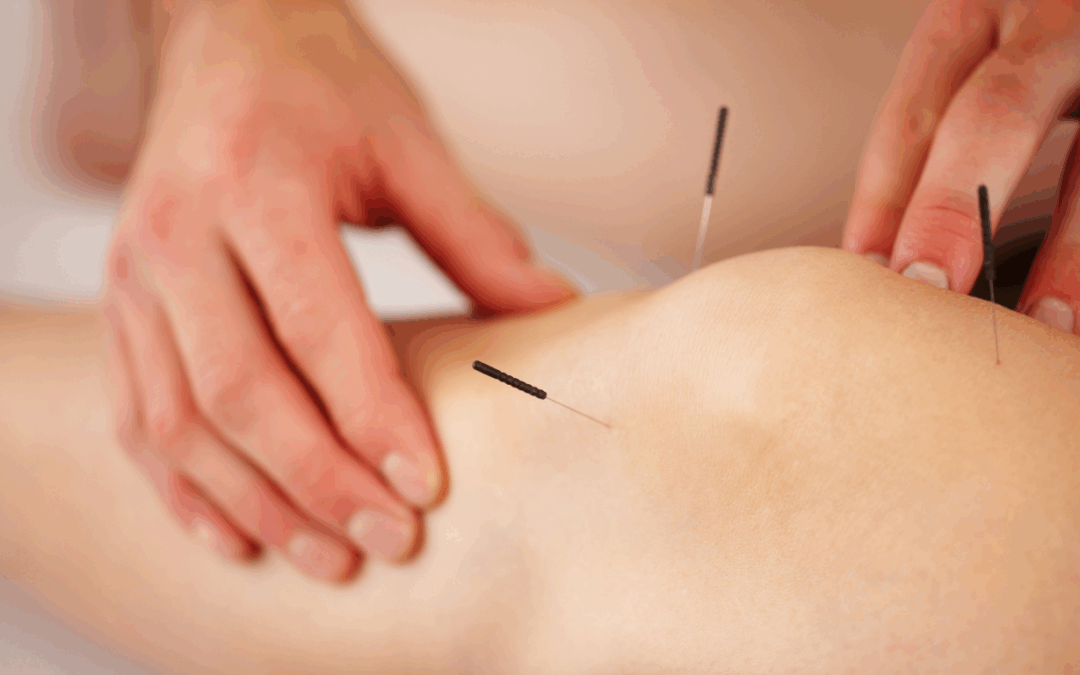
- Acupuncture moves Qi and restores flow.
- Herbal medicine nourishes and supports what’s depleted.
- Food energetics use temperature, flavor, and seasonality to harmonize your body from the inside out.
You don’t need to “believe” in it for it to work. You just need to participate.
Why It Makes So Much Sense
When I first started learning TCM, it felt less like studying and more like remembering.
It’s the same wisdom I’ve seen in homesteading, birth work, and the slow medicine of everyday life, listen to the cycles, nourish the roots, move the stagnation, and rest when it’s time.
It’s not mystical. It’s nature, mapped onto the human body.
And once you see it that way, you’ll start noticing it everywhere, in your digestion, your energy, your emotions, your cravings, and your capacity to bounce back.
Because your body isn’t broken.
It’s communicating.
TCM just helps you understand what it’s saying.
🌿
— Lacey Park, Atlantic Women’s Wellness