(and why your Spleen doesn’t want jujubes, she wants supper)
Here’s the thing about TCM school: you can’t say jujube without someone announcing that “sweet nourishes the Spleen.”
And every time they say it, you can see half the class mentally float away to dessert island, imagining some sticky rice pudding moment that magically fixes 15 years of burnout.
Bless them.
But no.
Let’s steep a cup of tea and talk about what the classics actually said. And why your Spleen doesn’t want a treat. She wants supper. She wants meat. She wants broth. She wants something that came off a bone, not the bakery shelf at Superstore.
Because this entire “sweet = sugar” thing?
Yeah… that’s a translation problem big enough to sink the ferry to Deer Island.
“Sweet” in the classics was not about sugar
In the ancient texts, the word 甘 gan (sweet) wasn’t “mmm cupcakes.” It meant nourishing, substantial, flesh building, harmonizing, grounding, essence replenishing.
Basically:
Sweet meant “feeds you like a good stew in February.”
Not “feeds you like a Christmas tin of Quality Street.”
When the Neijing says “sweet tonifies,” it’s not telling you to hit the candy aisle. It’s saying:
Eat the foods that actually rebuild your body because you’re running on fumes and three wishes.
The strongest “sweet” foods in the ancient books?
The Shennong Ben Cao Jing (the OG of herbal texts) literally lists beef, lamb, pork, marrow, bone broth, egg yolk, organ meats, dairy (when tolerated), slow cooked stews, gelatinous cuts your Nan called “too rich” but secretly kept her alive in winter.
All categorized as sweet.
Yes, sweet.
As in feeds your flesh, rebuilds your Qi, warms your middle, and stops that sinking feeling in your Spleen that makes you feel like your internal organs might actually fall out next time you sneeze.
Meanwhile, jujube is also sweet but in the way a warm hug is sweet.
Nice.
Comforting.
Gentle.
But jujube is not picking up your life and hauling it out of the ditch.
Marrow does that.
How modern TCM lost the plot
Somewhere between the Han dynasty and the 1980s, sweet got translated into English as “sweet”… and everyone’s brain went straight to sugar.
Then Western nutrition chimed in with: animal foods = heavy or “bad,” grains and sugary things = “gentle sweet,” broth = unfashionable, bone marrow = dog treat.
So “sweet” in TCM got flattened into “eat more carbs, babe,” and the entire classical meaning evaporated like steam off a stock pot.
Meanwhile the texts were sitting there going:
Hello?? We said flesh. We said bone. We said marrow.
Why your Spleen actually wants hearty meals
Here’s the truth:
Your Spleen isn’t some delicate Victorian lady who faints at the sight of real nourishment. She’s a workhorse. A farm wife. A winter survivor. A keep everything together organ doing more emotional labour than she ever signed up for.
And when she’s depleted (really depleted) she doesn’t want dainty sweetness.
She wants substance.
Protein, marrow, broth, eggs, beef, slow cooked everything. She craves the foods the classics lean on for restoring Qi, building Blood, warming the centre, lifting the upright Qi, steadying digestion, countering stress and collapse.
This is the “sweet flavour” the ancients were talking about. Not fruit. Not rock sugar. Not dessert. Not treats.
Sweet as in nourishing density.
Sweet as in rebuilding your literal tissues.
Sweet as in feeding the part of you that’s been holding too much for too long.
Why this matters for East Coast women
Because let’s be honest:
Many women around here aren’t dealing with mild Spleen deficiency. They’re dealing with grief and betrayal swallowed whole, long winters, longer to do lists, skipped meals, too much coffee, not enough support, 6 am wake ups, way too late bedtimes, and the endless emotional labour of keeping a family, a home, and a life together.
Bodies like that don’t want dainty sweetness. They want real nourishment.
The kind the classics named “sweet” because it literally builds you back from the inside out. You are what you eat, and you’re supposed to be made out of muscles, bone, marrow, blood, and fluids.
Broth simmering on the woodstove?
Sweet.
Eggs fried in butter before the kids get up?
Sweet.
A pot roast on Sunday that tastes like your grandmother’s kitchen?
Peak sweet.
So the next time someone says “sweet tonifies the Spleen…”
Give them a smile… the one that says “bless your heart” without needing the words.
Then tell them what the ancients were actually talking about:
Sweet isn’t sugar. Sweet is substance.
Sweet is the flavour of rebuilding.
Sweet is the flavour of coming home to yourself.
And honestly?
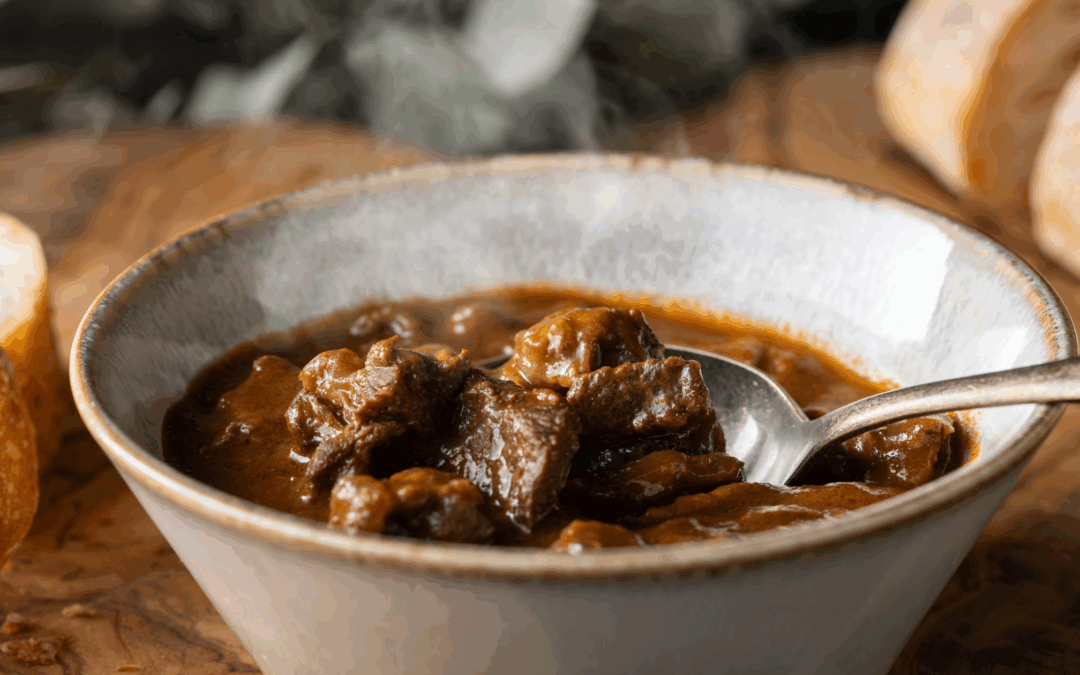
Sweet is the bowl of meaty beef stew you eat after your life has chewed you up and spit you out, the one that puts you back on your feet and makes your Spleen say:
Finally. She gets me.
A Gentle Note: I’m a student of Traditional Chinese Medicine, and this space reflects my learning as it unfolds. TCM is deep, layered, and complex, and I’m still finding my footing within it. I will refine my understanding over time. I will make mistakes. That’s part of doing this honestly. What I share here is my current perspective, shaped by my teachers, clinical training, lived experience, and my own biases. It’s not absolute, it’s evolving. I welcome thoughtful conversation, shared insight, and respectful correction along the way. I humbly welcome your insight. Let’s learn together. You can always find me over on Instagram to keep the conversation going.