by Lacey Park | Feb 26, 2026 | Chinese Dietary Therapy
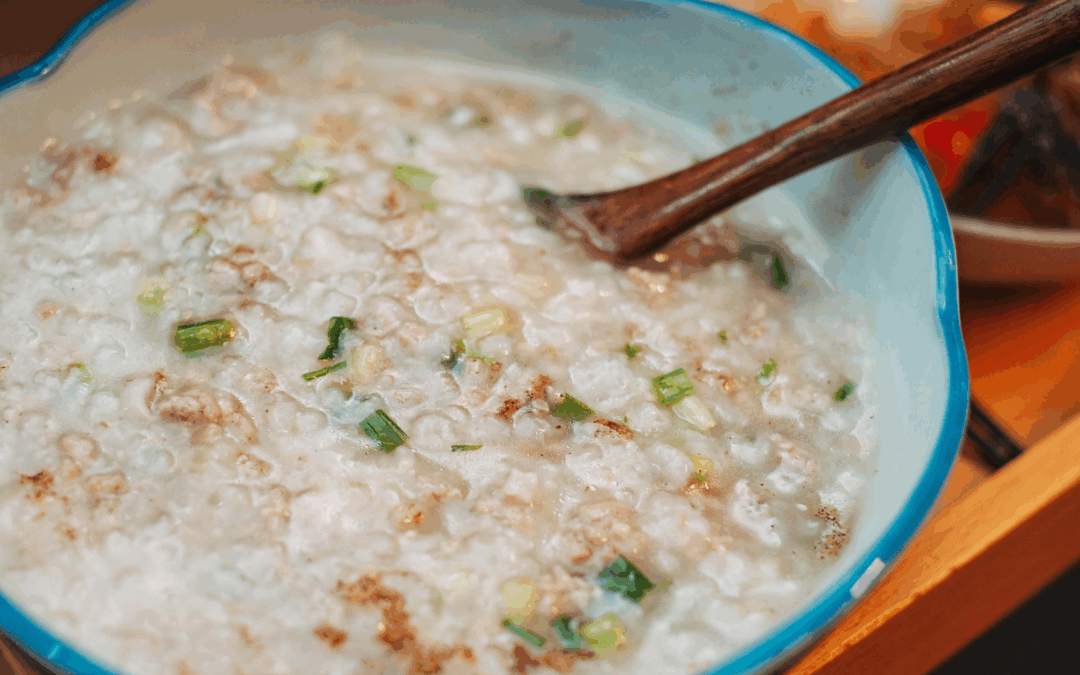
Not all depression feels sharp or emotional. Some of it feels heavy, foggy, and stuck — like walking through wet wool. In Traditional Chinese Medicine, this pattern is often linked to Dampness, a sluggish internal state that can cloud the mind and weigh down the body. In this post, we explore how to recognize Dampness-related depression and why a temporary low-carb or carnivore-leaning dietary approach can help clear the fog and restore balance — without becoming a forever rule.
by Lacey Park | Feb 10, 2026 | Chinese Dietary Therapy
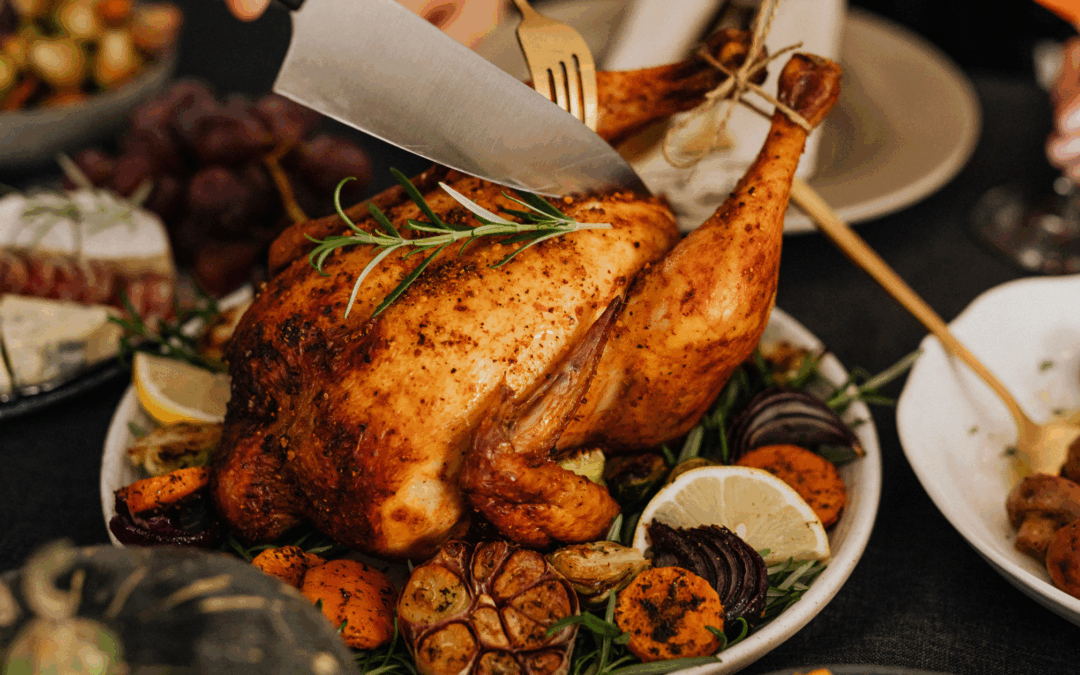
Not all low energy is the same.
Some bodies feel heavy, bloated, and overwhelmed. Others feel hollow, shaky, and worn thin. Even when symptoms look identical — fatigue, digestive trouble, prolapse, brain fog — the body may be asking for opposite kinds of support. Understanding the difference between a body that needs simplification and one that needs gentle nourishment can completely change how food supports healing.
by Lacey Park | Jan 7, 2026 | Chinese Dietary Therapy
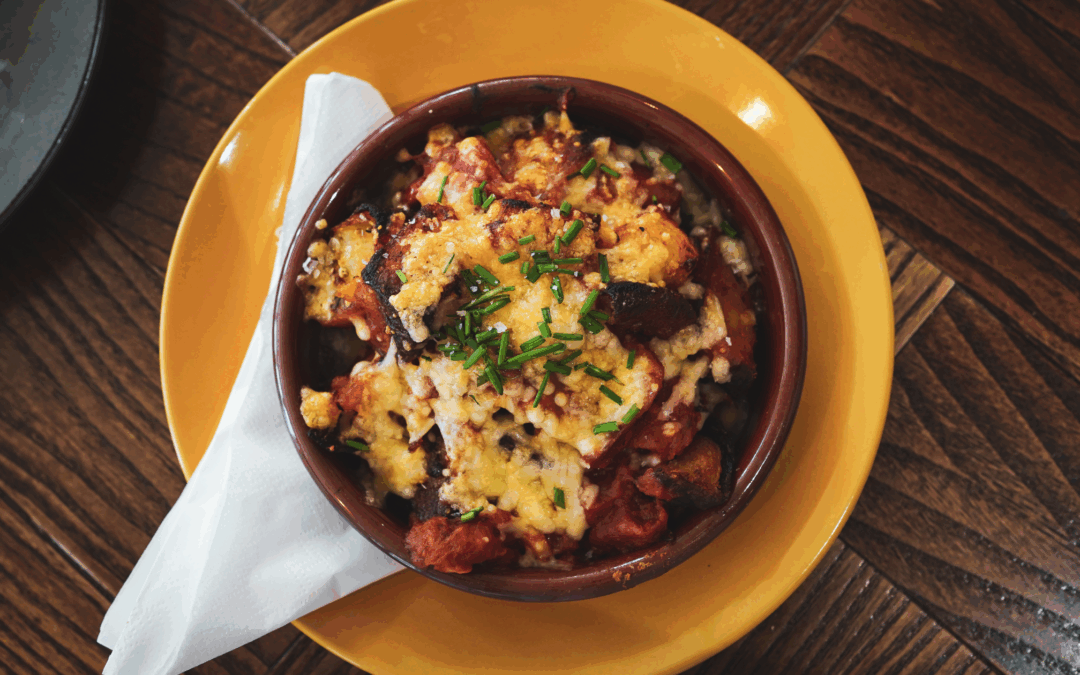
I’ve eaten many different ways over the years, always with sincerity, always with the hope of feeling better in my body. Studying Traditional Chinese Medicine changed how I understand food entirely. Instead of asking whether a diet is right or wrong, I learned to ask whether it is supportive in this moment, for this body. This is a reflection on letting go of dietary certainty, listening more closely, and allowing healing to be quieter and less aesthetic than we’re often told it should be.
by Lacey Park | Dec 15, 2025 | Chinese Dietary Therapy
If you’re waking up tired no matter how much you “sleep,” your Spleen might be waving a white flag. A warm, woman-centred TCM explanation of real-life exhaustion.
by Lacey Park | Dec 10, 2025 | Chinese Dietary Therapy
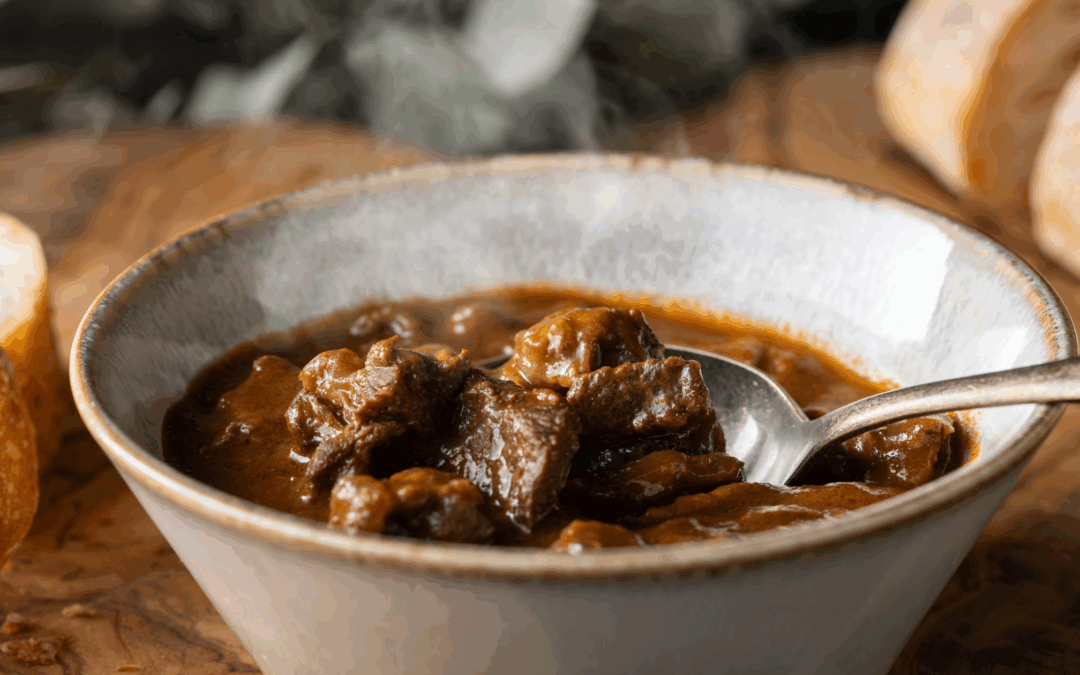
Most of us grew up hearing “sweet nourishes the Spleen,” and instantly pictured sugar. But in the classical texts, sweet meant something very different — nourishing, hearty, flesh-building foods that actually put you back together. This post unpacks what the ancients really meant, why modern TCM got confused, and why your Spleen wants supper, not jujubes.
by Lacey Park | Dec 3, 2025 | Chinese Dietary Therapy, TCM (Traditional Chinese Medicine), Women's Health & TCM
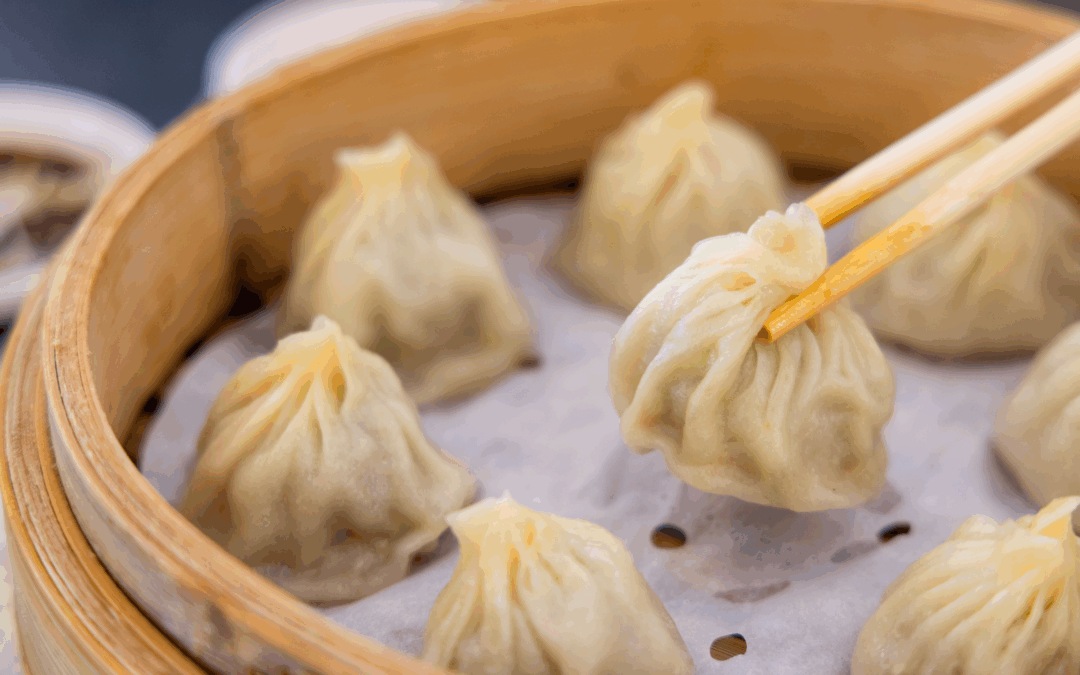
Traditional Chinese Medicine has its own quiet version of fasting, but it’s nothing extreme. It’s the gentle overnight pause our grandmothers practiced without thinking twice — an early supper, a closed kitchen, and a little space for the Spleen to rest. This post breaks down how cultural fasting, intermittent fasting, and TCM all point to the same truth: your body feels better when nourishment and rest take turns instead of competing.