by Lacey Park | Mar 23, 2026 | TCM (Traditional Chinese Medicine)
Shao Yang is the pivot layer — not fully exterior, not fully interior. If you’ve ever struggled to keep Gallbladder, San Jiao, six stages, and channel theory straight in your head, this is a grounded, body-based way to understand Shao Yang through lateral patterns, alternating symptoms, and clinical recognition.

by Lacey Park | Mar 21, 2026 | TCM (Traditional Chinese Medicine)
Tai Yang is the body’s outer gate, the first layer to meet Wind, Cold, and whatever the world throws at us. If you’ve ever struggled to keep six stages, channels, and organs straight in your head, this is a grounded, real-life way to understand Tai Yang through the back body, vigilance, and clinical pattern recognition.
by Lacey Park | Mar 18, 2026 | Uncategorized
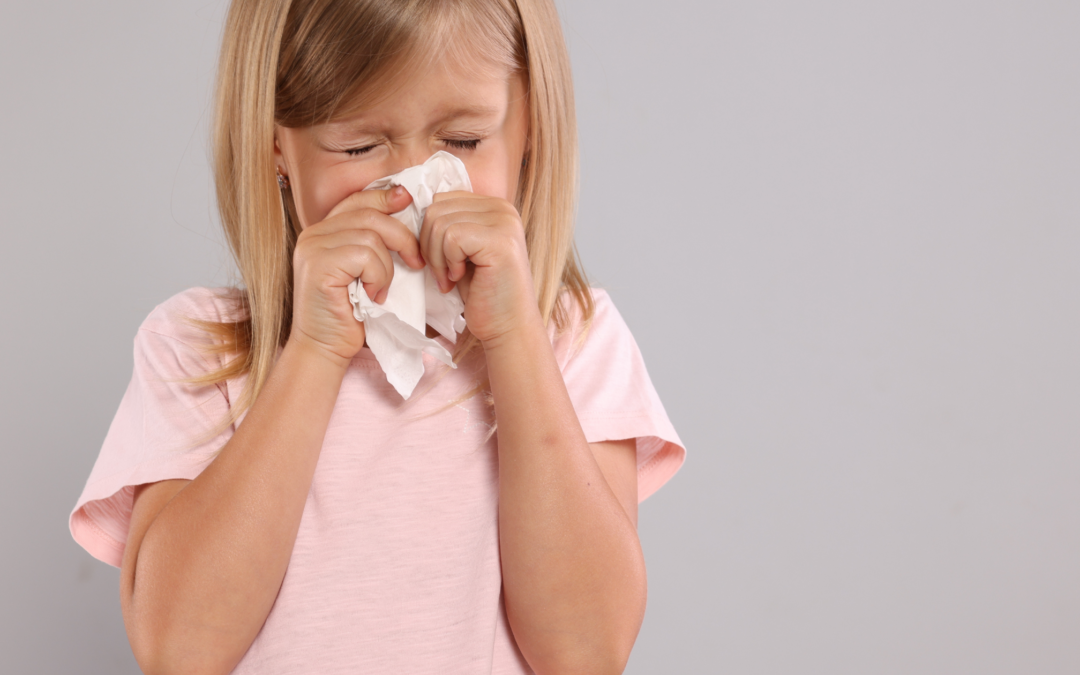
When it’s “just a virus” and you’re told to go home and rest, it can feel like there’s nothing to do but wait it out. Traditional Chinese Medicine approaches colds and flus differently — identifying patterns like Wind-Cold or Wind-Heat early and supporting your body so you recover faster, with fewer lingering symptoms.

by Lacey Park | Mar 16, 2026 | Acupuncture
Can Traditional Chinese Medicine help our pets? Yes — and it has for thousands of years. From aging dogs with stiff joints to anxious, reactive pups, veterinary acupuncture supports mobility, digestion, skin health, and nervous system balance. And if you’re the kind of woman who researches warming foods for your dog but ignores her own exhaustion… this one’s for you.

by Lacey Park | Mar 12, 2026 | TCM (Traditional Chinese Medicine)
In Chinese medicine, symptoms often tell a tidy story long before they tell the true one. This reflection explores how trust, safety, and relationship shape diagnosis and treatment—and why the medicine only goes as deep as the body feels safe to go.
by Lacey Park | Mar 10, 2026 | Uncategorized
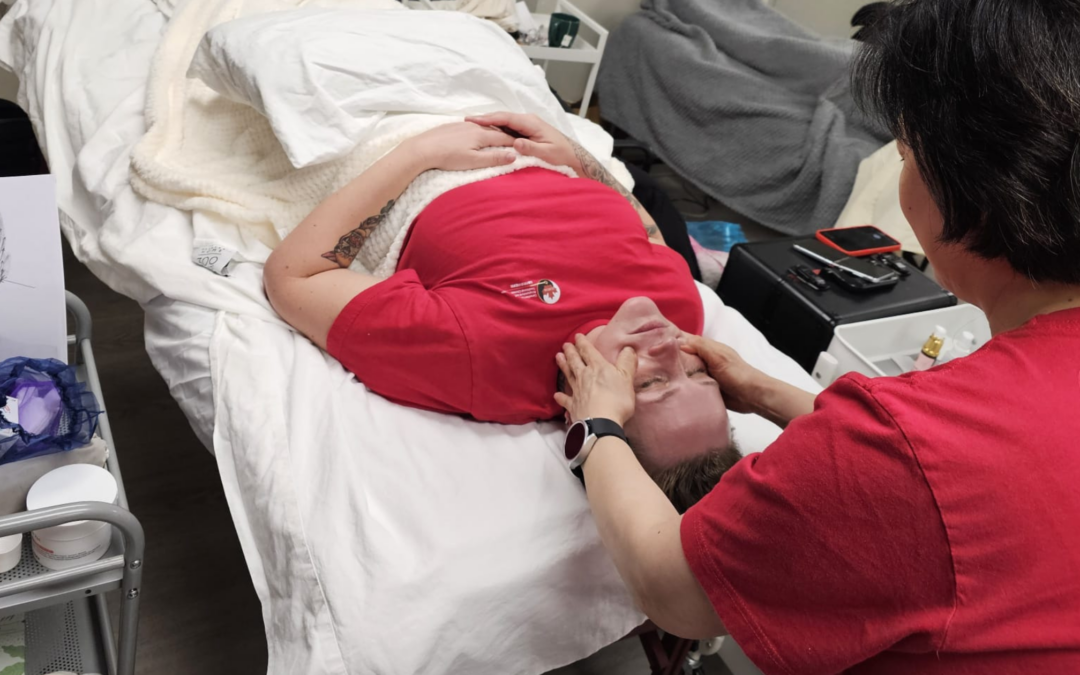
Lately I’ve been noticing how much of the experience of acupuncture college has less to do with workload and more to do with attitude. How I meet change, pressure, clinic, and uncertainty seems to shape my nervous system just as much as studying ever could. This feels like part of the medicine too.
by Lacey Park | Mar 8, 2026 | Cosmetic Acupuncture
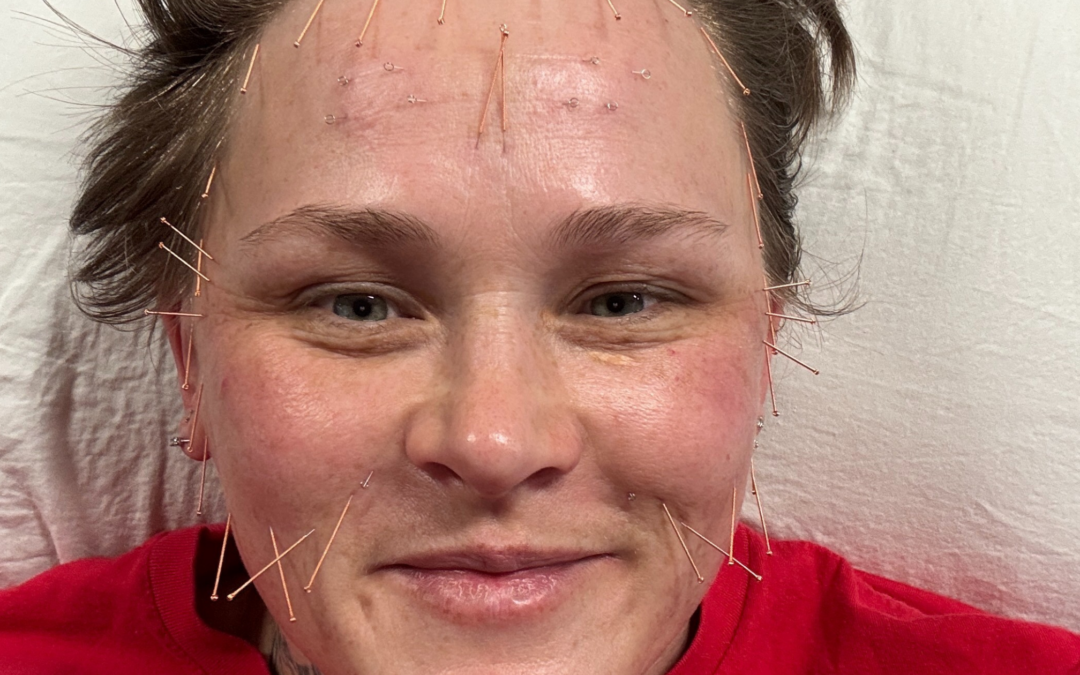
Cosmetic acupuncture doesn’t stop working when you leave the clinic.
The treatments start the process — your daily rhythms help hold the results.
From sleep and nourishment to gentle movement, gua sha, and seasonal care, this guide walks you through how to support your cosmetic acupuncture results at home so your glow lasts longer, feels more natural, and stays aligned with your body — not against it.
by Lacey Park | Mar 5, 2026 | Cosmetic Acupuncture
Aging, in Chinese medicine, isn’t something to fight. It’s a reflection of how well your energy circulates, how deeply you rest, and how gently your nervous system is supported. Qi Gong offers a slow, grounded way to nourish the body from the inside out — and when paired with cosmetic acupuncture and facial rejuvenation, it helps the face soften, brighten, and age with ease rather than strain.
by Lacey Park | Mar 3, 2026 | Women's Health & TCM
If you’re searching for acupuncture for menopause in Bedford, you’re likely feeling the shift already — disrupted sleep, hot flashes, anxiety, or a nervous system that feels louder than it used to. This post explains how acupuncture supports menopause from a Traditional Chinese Medicine perspective, what care looks like in a supervised student clinic, and why many women in Bedford are choosing acupuncture for grounded, effective menopause relief.

by Lacey Park | Mar 1, 2026 | Uncategorized
Adult education shouldn’t feel like being monitored for bad behavior. When grown adults sacrifice money, time, and entire lives to be in school, blanket policing becomes a poor substitute for real accountability. This is a loving side-eye at institutional education everywhere — and a case for trusting adult learners to rise to the responsibility they willingly chose.