by Administrator | Jun 2, 2026 | Acupuncture College Chaos
Acupuncture students slowly lose the ability to sound normal in public. From asking strangers to stick out their tongues to casually discussing “Liver attacking Spleen,” this is a painfully accurate look at the weird, hilarious, and oddly profound things that happen when Traditional Chinese Medicine rewires your brain.

by Administrator | May 30, 2026 | Acupuncture College Chaos
At some point in acupuncture school, your brain starts changing. You stop seeing symptoms separately and start noticing patterns everywhere — in posture, sleep, stress, digestion, emotions, and even yourself. A funny, slightly unhinged, and surprisingly profound look at how studying Traditional Chinese Medicine rewires the way you observe the world.
by Administrator | May 26, 2026 | Acupuncture College Chaos
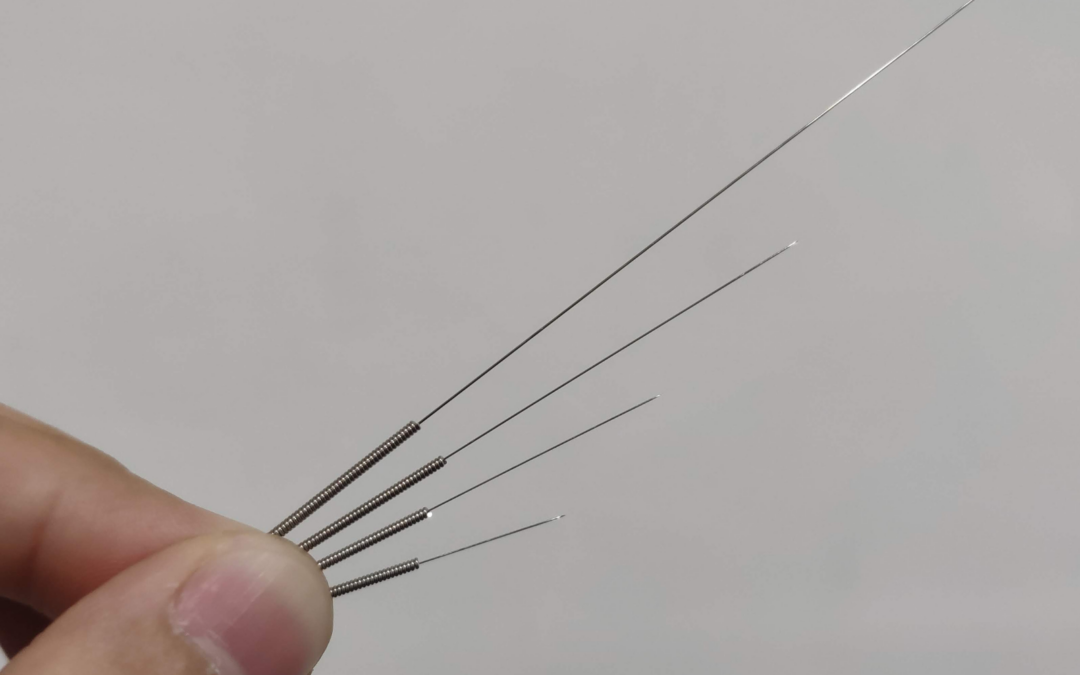
Acupuncture isn’t one thing anymore. From cosmetic acupuncture and mobile treatments to community clinics, nervous system care, and complex chronic illness cases—modern acupuncturists are building wildly different careers. Here’s why that matters for the future of Chinese medicine.

by Administrator | May 23, 2026 | Acupuncture College Chaos
A reflection on generous teaching, “secret methods,” and why sharing real clinical details matters in Traditional Chinese Medicine. The more effective, skilled, and confident practitioners we create, the stronger trust in acupuncture becomes for everyone.
by Lacey Park | May 13, 2026 | Acupuncture College Chaos, Field Notes
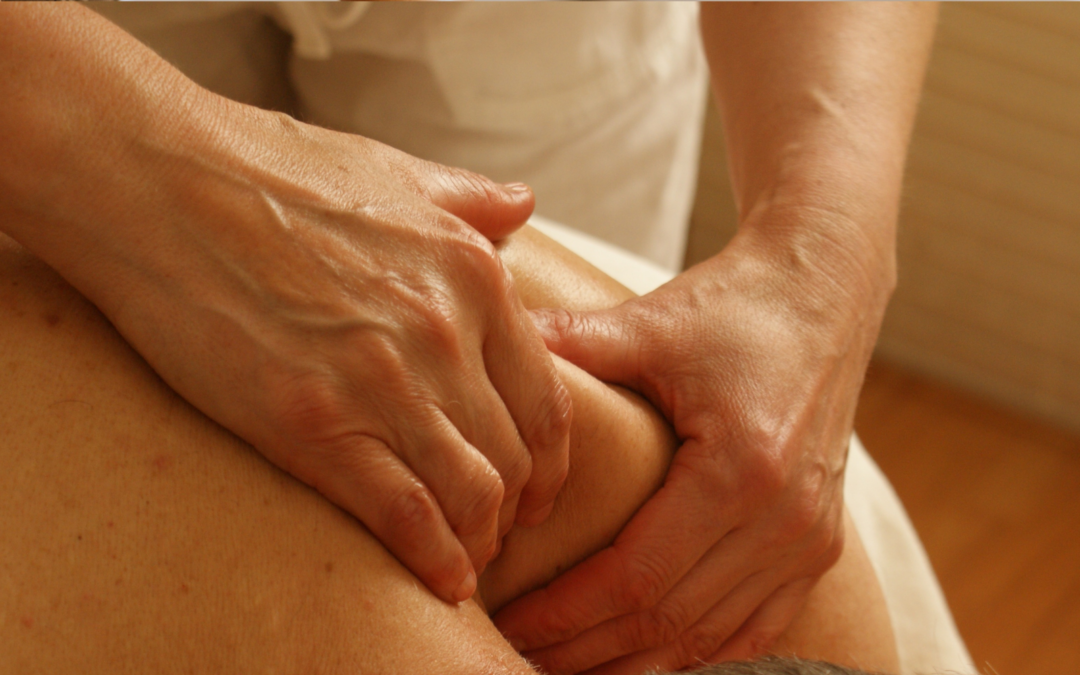
I came to acupuncture school expecting needles, meridians, and point location—not to fall in love with Tui Na. But the more I use Chinese medical bodywork in student clinic and cosmetic acupuncture, the more I realize some of the best treatments start long before the first needle goes in.
by Lacey Park | May 12, 2026 | Acupuncture College Chaos
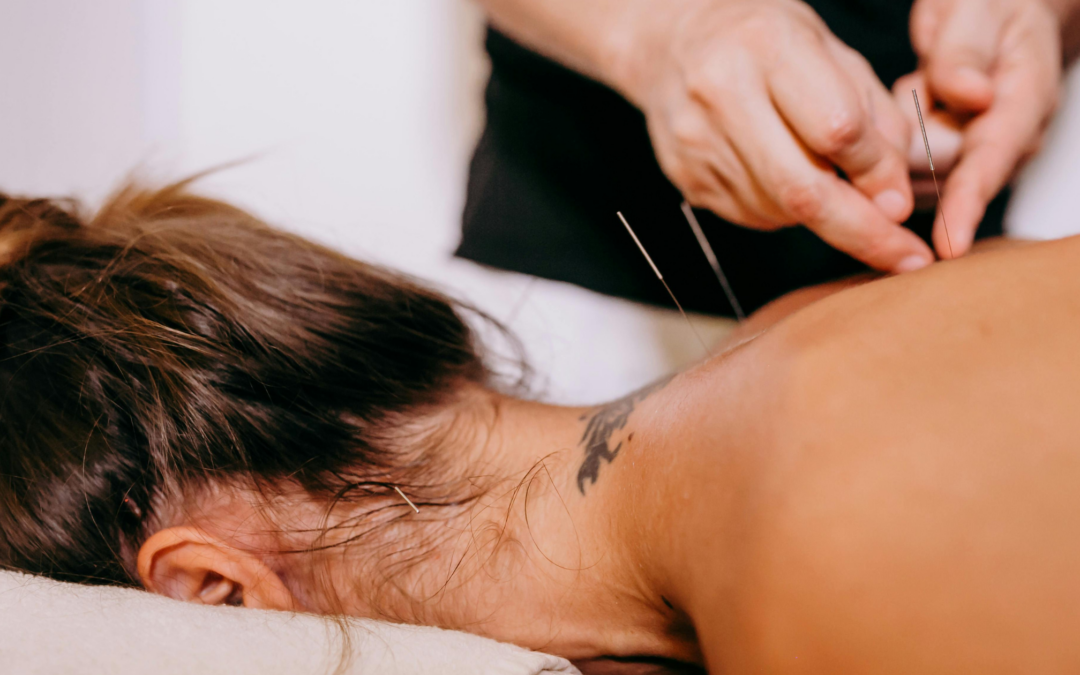
What is student acupuncture clinic really like? Forget the spa fantasy. This is the honest side of acupuncture college—real patients, live supervision, fast turnovers, treatment plans, and the kind of pressure that turns classroom theory into clinical instinct.