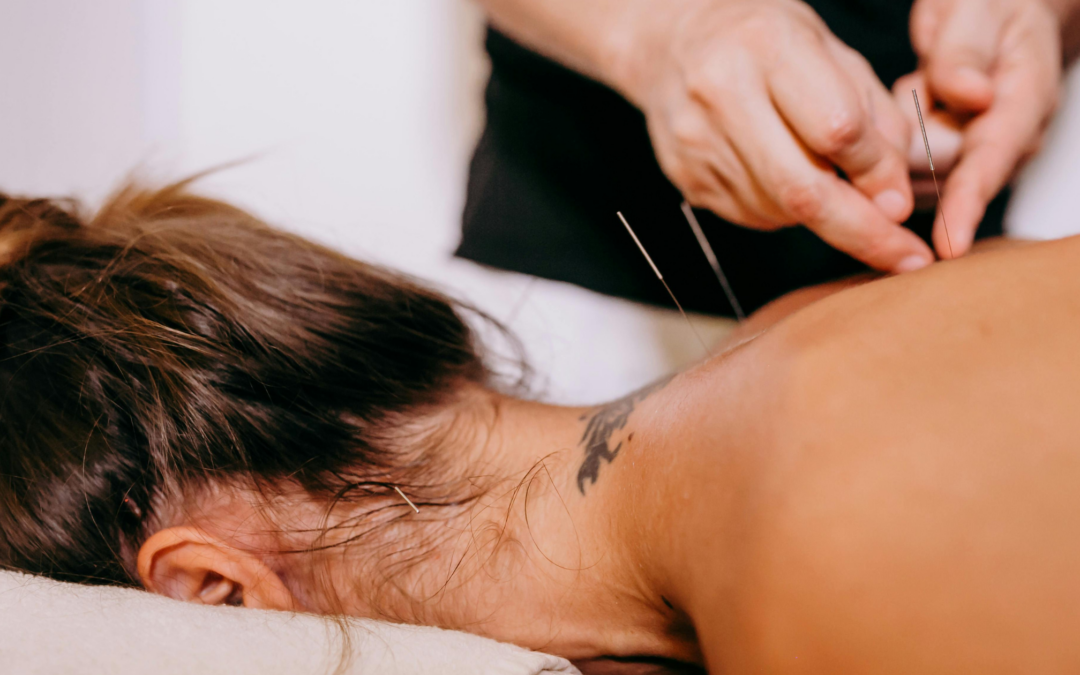
When most people picture acupuncture, they imagine soft music, warm lighting, maybe a fountain in the corner, and a practitioner moving through the room like some kind of Zen wizard.
Student clinic?
Not exactly.
Don’t get me wrong—there is spa music. Sometimes a lot of it.
The problem is… it’s often coming from three different speakers at once.
One treatment bay has rainfall sounds. Another has bamboo flutes. Someone across the room is treating patients to relaxified 90’s hits. Then, halfway through your treatment, every student with a speaker suddenly packs up for shift change…
…and now it’s just you, your patient, the hum of overhead fluorescents, and the unmistakable sound of someone aggressively washing their fire cups in the sink.
Welcome to student clinic.
The lighting? Also not exactly luxurious.
No carefully curated ambiance here.
Sometimes it’s Saturday morning and there’s bright sunshine hitting your patient square in the eyes.
Other times you’re working inside a curtain surrounded cubicle with no windows, one floor lamp, and a clip on light you brought from home because you’re trying to place tiny cosmetic needles with eyes that definitely don’t feel twenty anymore.
Your patient survives.
Your ego takes the hit.
You keep going.
Student clinic teaches you fast.
People often imagine student clinic as slow, cautious, or “practice medicine.”
And sure—you’re learning.
But these are still real people.
Real headaches.
Real anxiety.
Real insomnia.
Real menstrual pain.
Real Bell’s palsy.
Real sciatica.
Real fertility struggles.
Real people spending real money and trusting you with their care.
And the schedule?
Fast.
One patient leaves, linens get changed, sharps get cleared, notes get written, intake forms get reviewed, treatment plan gets adjusted…
…and your next patient is already walking in. Probably already waiting.
There’s no twenty minute reset. (You can schedule them but there is no guarantee they’ll be respected.)
No time to stand around looking wise.
You adapt.
“Live supervision” sounds very glamorous…
In theory, student clinic comes with close supervision from experienced practitioners.
And it does.
Kind of.
Sometimes “live supervision” looks like standing in a long line of students holding treatment plans while your supervisor moves at lightning speed.
“No injury?”
“No pregnancy?”
“Any contraindications?”
Signature.
Next.
And somehow, in that chaos, you start learning what actually matters.
Not because someone lectures you for an hour.
Because you’re responsible for a real human being on your table.
This is where theory becomes instinct.
In class, patterns feel neat.
Traditional Chinese Medicine theory looks clean on paper.
Liver Qi Stagnation makes sense in your notes.
Qi, Blood, Yin, Yang, organ systems, point combinations—it all feels organized.
Then a patient walks in.
They’re irritated.
They slept terribly.
Their digestion is off.
Their cycle is a mess.
They’ve been clenching their jaw for six years.
And they want to know if you can help.
Now your textbooks aren’t enough.
Now you have to observe.
Listen.
Prioritize.
Adjust.
And yes—sometimes it feels like patients are “Liver Qi Stagnation-ing” all over you if the treatment doesn’t go exactly how they imagined.
That pressure? It changes you.
Not in a dramatic movie montage kind of way.
In the real way.
The kind where one day you stop flipping through mental flashcards…
…and start actually thinking like a clinician.
So what is student acupuncture clinic actually like?
It’s awkward.
It’s chaotic.
It’s humbling.
It’s occasionally hilarious.
It’s definitely not Instagram perfect.
But it’s also where medicine becomes real.
Where confidence gets built one patient at a time.
Where mistakes become lessons.
Where you realize healing isn’t about perfect ambiance, perfect lighting, or perfect conditions.
It’s about showing up.
Paying attention.
And learning how to help people—even while you’re waiting for supervisor sign off, flipping your treatment space, and realizing your next patient is already checked in.
And honestly?
I wouldn’t trade it.
A Gentle Note: I’m a student of Traditional Chinese Medicine, and this space reflects my learning as it unfolds. TCM is deep, layered, and complex, and I’m still finding my footing within it. I will refine my understanding over time. I will make mistakes. That’s part of doing this honestly. What I share here is my current perspective, shaped by my teachers, clinical training, lived experience, and my own biases. It’s not absolute, it’s evolving. I welcome thoughtful conversation, shared insight, and respectful correction along the way. I humbly welcome your insight. Let’s learn together. You can always find me over on Instagram to keep the conversation going.