Let’s be honest.
When most small-town Canadians hear the word acupuncture, they picture someone lying on a table full of needles and think, “There’s no way that’s relaxing.” Some imagine incense and chanting. Others picture something so ancient and mysterious it must either be magic or complete nonsense.
I get it. I live here too, in a part of the world where duct tape and coffee are the main tools for survival. If something’s wrong, we tough it out, Google it, or call Aunt Brenda for advice. The idea of balancing “Qi” (pronounced chee) with hair thin needles from the other side of the world can sound a little… woo-woo.
But here’s the thing, it actually works. And not just in theory, but in real lives across New Brunswick and beyond.
What Acupuncture Actually Does
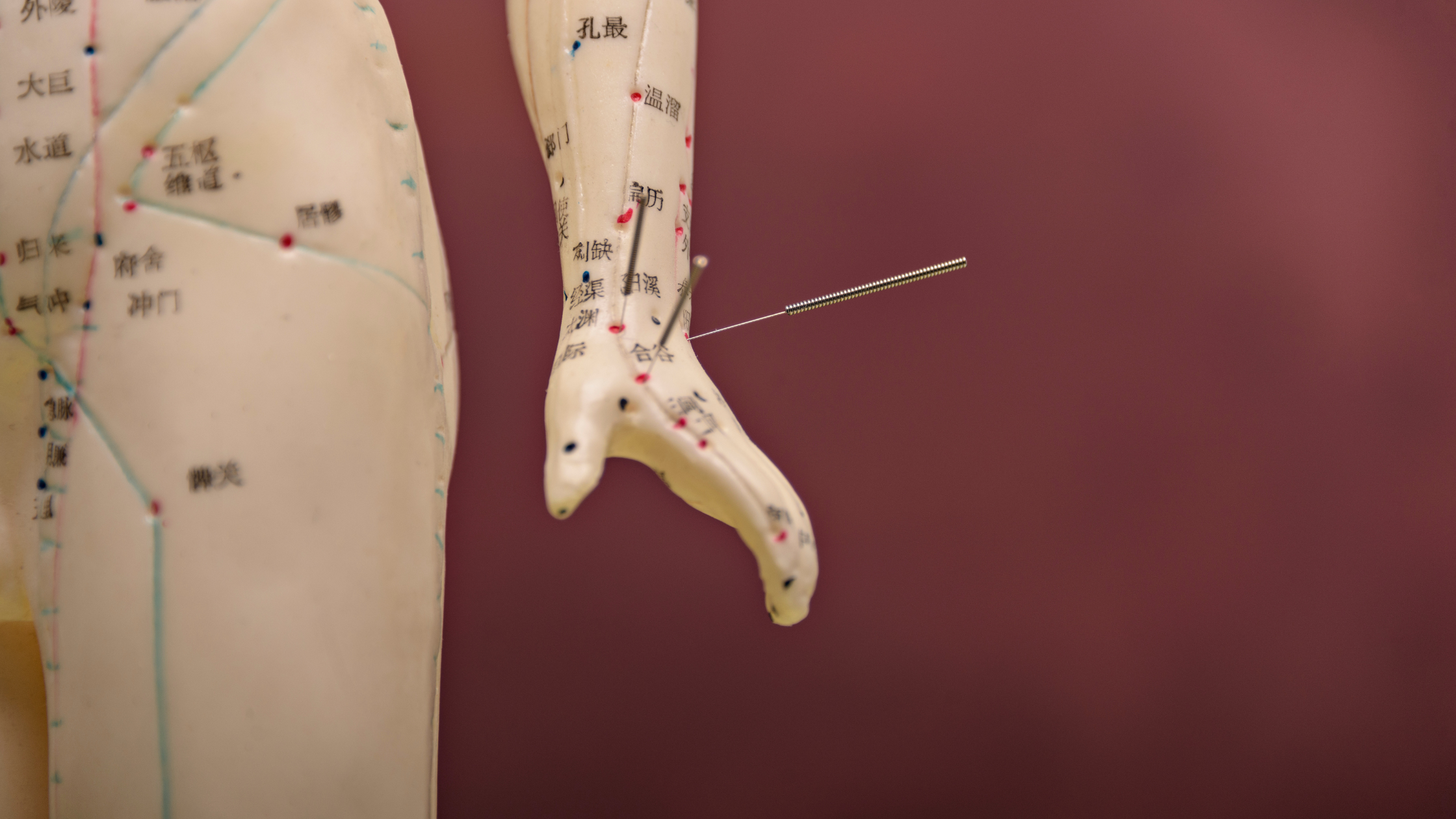
Acupuncture is part of Traditional Chinese Medicine (TCM), a complete system of health care that’s been practiced for thousands of years. It works by restoring balance in the body’s natural flow of energy and circulation. In Western terms, acupuncture helps regulate the nervous system, calm inflammation, improve blood flow, and release natural painkillers like endorphins.
So while it might look mysterious, it’s really just your body being reminded how to heal itself.
What It Feels Like
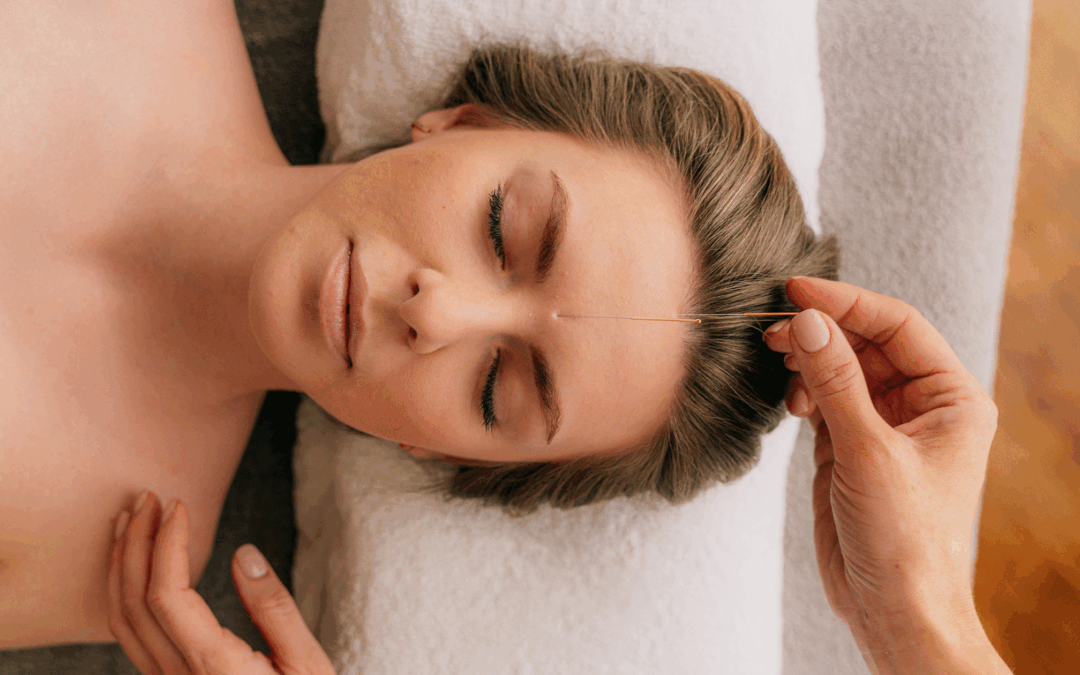
Most people are shocked by how gentle it is. The needles are about the width of a human hair, and once they’re in, you often forget they’re there. Some people feel warmth or tingling, others feel deeply relaxed, like that nap you’ve been chasing for three years.
After a treatment, you might notice your pain has eased, your sleep is better, or you’re less stressed about the things that usually send you over the edge. Acupuncture doesn’t force change; it nudges your body back toward balance.
What Acupuncture is Good For
Acupuncture is widely used for pain relief, stress, headaches, digestion, and sleep issues. But it also shines in women’s health, helping regulate cycles, ease PMS or menopause symptoms, support fertility, and restore energy postpartum.
If you’ve been running on empty, anxious, inflamed, or hormonal (or all of the above), acupuncture helps your body remember what harmony feels like.
And yes, it’s covered.
Most private health insurance and employee benefits plans in New Brunswick cover acupuncture. So if you’ve got Blue Cross, Sun Life, Canada Life, or Manulife, there’s a good chance your sessions will be at least partly reimbursed. That means you can explore this kind of care without worrying it’s some luxury wellness thing reserved for city people.
Real Women, Real Results
When I hear stories from patients, there’s a common thread: women who tried everything else and finally found something that made them feel seen, calm, and in control again.
One woman might say her headaches finally stopped after years of medication. Another might notice that after a lifetime of believing menstrual pain was normal, her period pain is gone. Another says, “I didn’t realize how tightly I was holding my breath until my first session.”
That’s the kind of healing acupuncture brings, subtle, steady, and surprisingly practical.
Why New Brunswick Women Are Turning to Acupuncture
We’re not strangers to hard work, long winters, or pushing through pain. But more and more women here are realizing that true wellness doesn’t come from pushing harder, it comes from balance. Acupuncture offers that, through connection, warmth, and stillness.
I’m currently studying Traditional Chinese Medicine in Halifax, where I’ll be treating patients at the Bedford student clinic starting in 2026. After that, I’ll be returning home to Carleton County to open my women’s wellness clinic serving Hartland, Woodstock, and Florenceville-Bristol.
So does acupuncture work?
Yes — and the research keeps backing that up.
- Pain relief: Large studies and reviews published in journals like The Journal of the American Medical Association and The British Medical Journal show that acupuncture provides measurable relief for conditions like chronic pain, headaches, osteoarthritis, and back pain.
- Women’s health: Research suggests acupuncture can help regulate hormones, improve blood flow to reproductive organs, and reduce symptoms of PMS and menopause.
- Mental health and stress: MRI studies show acupuncture affects brain regions linked to anxiety and pain, helping regulate stress hormones and calm the nervous system.
- Digestive and sleep support: Evidence shows acupuncture can help with IBS, nausea, and insomnia by balancing the gut-brain axis and supporting healthy parasympathetic function.
Even major hospitals and fertility clinics in Canada now integrate acupuncture alongside conventional treatments, not as competition, but because it works.
Learn about the basics of TCM in my blog post Understanding Traditional Chinese Medicine: A Different Way of Seeing Health.
Join My Waitlist
If you’re in Halifax, join my Bedford student clinic waitlist to be first in line for appointments in 2026.
If you’re in western New Brunswick, join my Hartland clinic waitlist to get updates when I start seeing patients locally in fall 2026.
Because sometimes the best medicine doesn’t come in a bottle — it comes from giving your body a chance to find its own way back to balance.
A Gentle Note: I’m a student of Traditional Chinese Medicine, and this space reflects my learning as it unfolds. TCM is deep, layered, and complex, and I’m still finding my footing within it. I will refine my understanding over time. I will make mistakes. That’s part of doing this honestly. What I share here is my current perspective, shaped by my teachers, clinical training, lived experience, and my own biases. It’s not absolute, it’s evolving. I welcome thoughtful conversation, shared insight, and respectful correction along the way. I humbly welcome your insight. Let’s learn together. You can always find me over on Instagram to keep the conversation going.