by Lacey Park | Mar 8, 2026 | Cosmetic Acupuncture
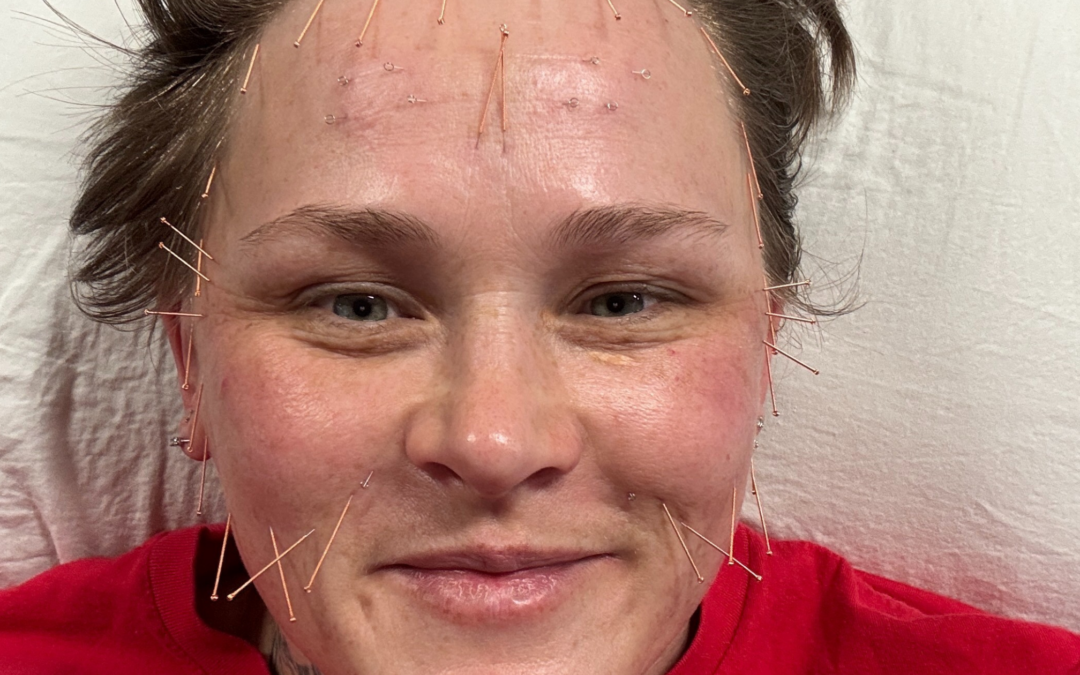
Cosmetic acupuncture doesn’t stop working when you leave the clinic.
The treatments start the process — your daily rhythms help hold the results.
From sleep and nourishment to gentle movement, gua sha, and seasonal care, this guide walks you through how to support your cosmetic acupuncture results at home so your glow lasts longer, feels more natural, and stays aligned with your body — not against it.
by Lacey Park | Mar 5, 2026 | Cosmetic Acupuncture
Aging, in Chinese medicine, isn’t something to fight. It’s a reflection of how well your energy circulates, how deeply you rest, and how gently your nervous system is supported. Qi Gong offers a slow, grounded way to nourish the body from the inside out — and when paired with cosmetic acupuncture and facial rejuvenation, it helps the face soften, brighten, and age with ease rather than strain.
by Lacey Park | Mar 1, 2026 | Women's Health & TCM
Acupuncture school teaches you a lot about Qi, organs, and point location. What it doesn’t warn you about is the quiet personality restructuring that happens along the way. Somewhere between memorizing meridians and folding clinic linens, you learn that some things aren’t fixed with needles or herbs. Some things are fixed by reframing expectations, sighing deeply, and letting your Liver Qi calm down about it.

by Lacey Park | Feb 26, 2026 | Chinese Dietary Therapy
Not all depression feels sharp or emotional. Some of it feels heavy, foggy, and stuck — like walking through wet wool. In Traditional Chinese Medicine, this pattern is often linked to Dampness, a sluggish internal state that can cloud the mind and weigh down the body. In this post, we explore how to recognize Dampness-related depression and why a temporary low-carb or carnivore-leaning dietary approach can help clear the fog and restore balance — without becoming a forever rule.
by Lacey Park | Feb 22, 2026 | TCM (Traditional Chinese Medicine)
In Chinese medicine, anxiety, depression, irritability, and overwhelm aren’t separate from the body. They’re signs of underlying patterns like stagnation, deficiency, or heat that make life feel harder than it needs to be. When the body is supported, the nervous system softens, emotions become more manageable, and the same stressors don’t hit quite so hard.